SpaceX's Starship completes maiden post-IPO flight, deploying satellites and achieving a controlled splashdown despite fire. Investors keenly watch validation.
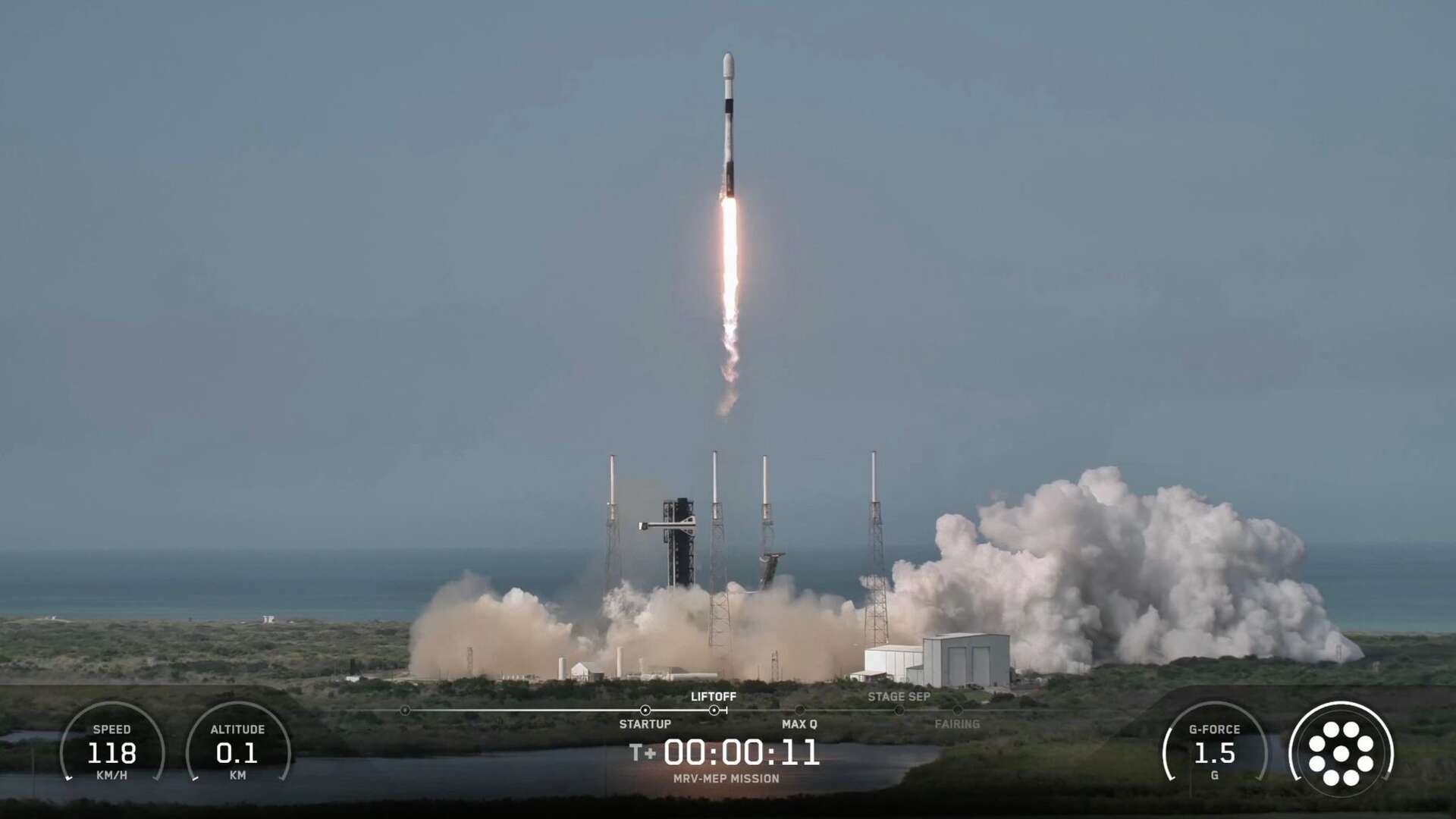
SpaceX's Starship, the world's largest rocket, executed its maiden post-IPO test flight on Saturday, culminating in the deployment of 20 satellites and a controlled splashdown in the Indian Ocean, an event that could provide crucial validation for investors closely scrutinizing the space tech company's ambitious trajectory.
While the company hailed the event as its "softest splashdown" despite reports of the vehicle being "on fire" during its descent, the successful satellite deployment and nominal landing, following an earlier booster engine issue, represent a complex blend of engineering triumph and operational challenges for the newly public entity.
The gargantuan rocket, towering at the height of a 40-storey building, launched from its primary test site, aiming to demonstrate key operational capabilities critical to its long-term vision for deep-space exploration and large-scale satellite deployment. The flight's mixed outcomes, typical for early-stage development in complex aerospace projects, are now being parsed for their implications on investor confidence and future development timelines.
What Does This Test Mean for SpaceX Investors?
The Starship test flight's outcome carries significant weight for SpaceX, particularly as its first major technical milestone since its reported public offering. Post-IPO companies in high-capital expenditure sectors like space launch services face intense market scrutiny, where operational successes and failures directly influence investor sentiment and the company's valuation.
For investors, the deployment of 20 satellites validates Starship's payload capacity and mission capability, crucial for future revenue streams from satellite internet constellations like Starlink and other commercial launch contracts. However, the reported engine issues with the booster and the "on fire" landing, even if deemed controlled, underscore the inherent risks and the iterative, often costly, nature of developing next-generation reusable launch systems. This balance of achievement and imperfection will shape how institutional investors assess the firm's execution risk and its path to sustained profitability.
The broader market for commercial space exploration and launch services has seen a surge in interest, with valuations often reflecting future growth potential rather than immediate earnings. Events like this Starship test become critical data points, influencing analyst models and investor appetite for companies pushing the boundaries of what is technologically feasible. A robust testing cadence with clear progress is paramount for maintaining investor confidence in a sector characterized by long development cycles and substantial upfront investment.
**20 Satellites Deployed** The Starship successfully deployed 20 satellites during its maiden post-IPO test flight, demonstrating critical payload delivery capability essential for future commercial missions and expanding SpaceX's Starlink constellation.
The Context of Starship's Development
Starship represents a pivotal component of SpaceX's long-term strategy, designed to be a fully reusable, super heavy-lift launch system capable of transporting both cargo and crew to Earth orbit, the Moon, and Mars. Its development history has been marked by ambitious engineering goals, rapid prototyping, and a series of high-profile test flights, each yielding valuable data through both partial successes and spectacular failures.
The vision behind Starship extends beyond mere launch services; it aims to drastically reduce the cost of space access through full reusability, a concept that promises to revolutionize industries from satellite deployment to interplanetary travel. This particular flight, occurring after the company's IPO, signals a transition from pure research and development to demonstrating tangible progress to a broader financial market.
Starship's potential integration with the Starlink internet constellation is a key driver for its development, offering a pathway to deploy thousands of satellites at unprecedented scale and cost-efficiency. Furthermore, the system is central to NASA's Artemis program, with Starship designated as the human landing system for future lunar missions, cementing its critical role in national space initiatives and securing significant government contracts.
What Analysts Are Watching Next
Moving forward, analysts and investors will be closely monitoring several key aspects of Starship's development and operational cadence. The primary focus will be on the consistent achievement of full mission profiles, including the successful return and landing of both the booster and the Starship spacecraft in a fully reusable configuration. This reusability is the cornerstone of the economic model underpinning SpaceX's long-term value proposition.
Specific attention will be paid to regulatory approvals from authorities like the Federal Aviation Administration (FAA), which are crucial for clearing subsequent test and operational flights. Any delays in these approvals could impact the launch schedule and, consequently, the company's ability to demonstrate consistent progress and revenue generation potential. The competitive landscape, with other heavy-lift systems under development by rivals, will also remain a significant factor in assessing Starship's market position.
The economic viability of Starship, particularly its path to sustained profitability beyond test flights and government contracts, will be a critical area of scrutiny. Analysts will seek clear indicators of how the system's operational costs align with its revenue potential, especially as the company aims for higher launch frequencies and expands its range of services.
Frequently asked questions
How did SpaceX's Starship land in the Indian Ocean?
SpaceX's Starship executed a controlled splashdown in the Indian Ocean as part of its maiden post-IPO test flight. The company referred to it as its 'softest splashdown,' despite reports of the rocket being on fire upon landing.
What was the primary purpose of this Starship flight?
The flight aimed to test the Starship system post-IPO, culminating in the deployment of 20 satellites and a controlled splashdown.
Why is this landing significant for investors?
This successful, albeit fiery, splashdown provides crucial validation for investors closely scrutinizing SpaceX's ambitious trajectory and its capabilities.
What is the Starship rocket known for?
Starship is recognized as the world's largest rocket, designed for deep space missions and satellite deployment.
Did the Starship rocket catch fire during landing?
Yes, reports indicate the rocket was on fire as it landed in the Indian Ocean, although SpaceX still hailed it as its 'softest splashdown'.
Where did Starship's test flight conclude?
The test flight concluded with a controlled splashdown in the Indian Ocean.