From groundbreaking Siri AI advancements to revolutionary Visual Intelligence, discover every major reveal from Apple's pivotal 2026 WWDC keynote.
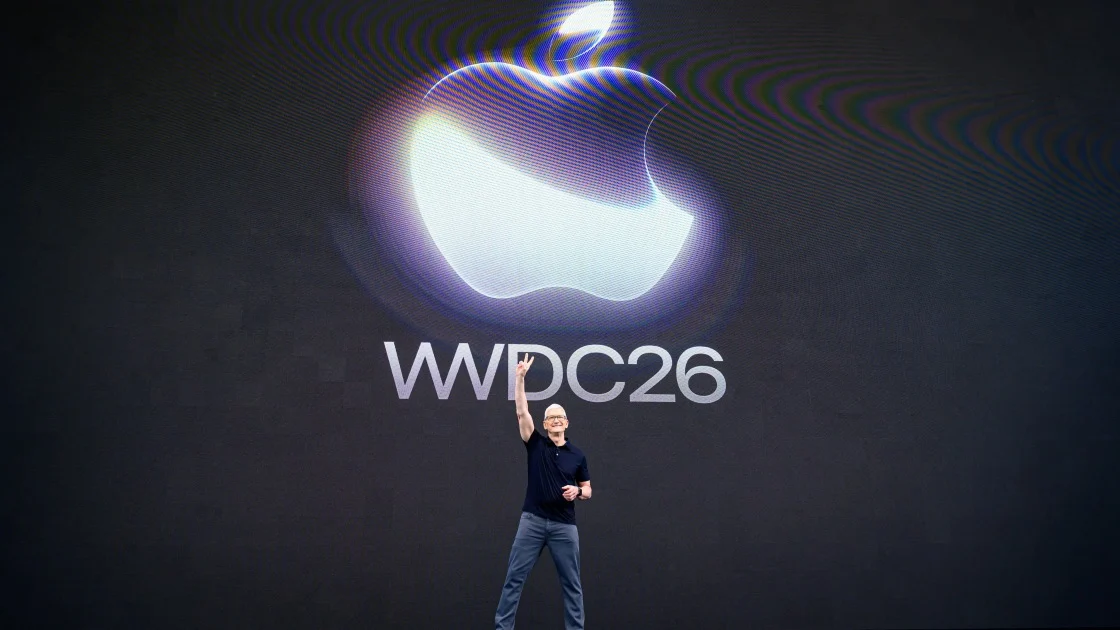
Apple’s annual Worldwide Developers Conference (WWDC) has long been a pivotal event for revealing the future of its vast ecosystem, but this year's installment felt different. With CEO Tim Cook taking the virtual stage one last time to lead the company's announcements, the 75-minute keynote in 2026 wasn't just about incremental updates; it was a profound declaration of Apple's deep dive into artificial intelligence, promising to reshape how millions of users interact with their devices.
Here's what happened: Apple unveiled "Apple Intelligence," a comprehensive suite of AI capabilities woven directly into the core of iOS 27, iPadOS 27, and macOS 27. This isn't just a new feature; it’s a foundational shift, designed to make every interaction smarter, more intuitive, and remarkably personal.
The company also rolled out macOS 27, dubbed "Golden Gate," continuing its tradition of California-inspired names for its desktop operating system. Beyond the AI revolution, Apple introduced a series of design refinements, including a new Liquid Glass slider for user customization and consistent corner radii across all macOS windows, aimed at enhancing visual consistency and accessibility. Performance boosts were a recurring theme, with Apple touting smoother animations, faster app launches, and significant speed improvements across key functions. The Photos app, for instance, now loads new images up to 70% quicker, while AirDrop transfers are reportedly 80% faster.
Perhaps most impactful for the average consumer, Apple confirmed that older iPhone models, including the iPhone 11, will run iOS 27 and are expected to perform better than on iOS 26. This commitment to extending the lifespan and enhancing the experience for previous-generation devices is a notable move in an industry often criticized for planned obsolescence. Beyond core performance, the company announced broader compatibility for shared iCloud albums, which will now be available to Android and Windows users, fostering a rare bridge across platform divides.
What Apple Intelligence Means for Your Daily Life
The centerpiece of WWDC 2026 was undoubtedly Apple Intelligence, powered by "next-generation" Apple Foundational Models developed in partnership with Google. These models are designed to be more powerful and multimodal, capable of processing text, images, and speech seamlessly. Apple, however, was adamant about its privacy-first approach, emphasizing that its Private Cloud Compute processes user data without any middlemen, meaning not even Apple can access personal information. Many AI processes are also handled directly on-device, further cementing this privacy promise—a significant differentiator for users increasingly wary of data collection.
Siri AI, Apple's much-anticipated second attempt at a major Siri overhaul, is poised to become a far more capable assistant. Users can now engage Siri in more conversational and contextually aware interactions. For example, after asking about a local concert, one can follow up with a request for tickets, and then ask Siri to set a reminder based on that context. Siri can also understand what's on a user's screen, allowing for seamless transitions from identifying a landmark in an image to providing directions in Maps. The assistant also sounds more natural, with customizable pace and expressiveness, offering a personalized experience.
The Broader Impact: Safety, Performance, and the Ecosystem
Apple dedicated a substantial portion of its keynote to "Trust and Safety," particularly focusing on features for children. The company introduced granular parental controls, allowing parents to designate specific websites children can visit, manage contacts, and set time limits for three broad categories: Entertainment, Games, and Social Media. These schedules can be customized, allowing for different access times on school days versus weekends, providing parents with more tools to foster healthy digital habits. A new dedicated website for parents was also launched, offering resources and guidance on managing their children's device experiences.
These widespread AI enhancements across the entire Apple ecosystem represent a calculated move to keep users deeply embedded within its services. By making interactions more intuitive, personalized, and efficient, Apple aims to increase the utility and indispensability of its devices in everyday life. The performance boosts, coupled with the new design elements, contribute to a smoother, more cohesive user experience, reinforcing the perception of a premium and seamlessly integrated product line.
Looking ahead, Apple's aggressive push into AI, coupled with its emphasis on on-device processing and Private Cloud Compute, positions it as a significant player in the AI race, attempting to differentiate itself through a strong privacy stance. This strategy could resonate strongly with consumers increasingly concerned about data security. The challenge will be in balancing these powerful new capabilities with user expectations. As the tech landscape continues its rapid evolution, Apple's latest announcements suggest a future where AI isn't just a feature, but the very fabric of the user experience, demanding that competitors respond with equally compelling and privacy-conscious innovations.
Frequently asked questions
What were the biggest announcements at Apple's WWDC 2026?
Apple's WWDC 2026 keynote unveiled major advancements in Siri AI, significantly enhanced Visual Intelligence features, and critical updates across the entire Apple ecosystem. CEO Tim Cook led the event, highlighting the company's deep dive into artificial intelligence.
What is Apple's Visual Intelligence?
Apple's Visual Intelligence refers to new AI-powered capabilities designed to enhance how Apple devices understand and interact with visual content, promising more intuitive and powerful user experiences.
Did Tim Cook announce his departure at WWDC 2026?
The article preview mentions Tim Cook taking the virtual stage 'one last time to lead the company's announcements,' implying a significant shift, possibly his final keynote as CEO.
When was Apple's WWDC 2026 keynote?
The article references the 75-minute keynote taking place in 2026, aligning with Apple's annual Worldwide Developers Conference schedule.
What role does AI play in the new WWDC updates?
Artificial intelligence plays a central role in the WWDC 2026 announcements, with a 'profound declaration of Apple's deep dive into artificial intelligence,' particularly through Siri AI and Visual Intelligence.
Where can I find a summary of the WWDC 2026 announcements?
This Business Insider article provides a comprehensive summary of all the biggest announcements from Apple's WWDC 2026, covering key revelations like Siri AI and Visual Intelligence.