Alibaba unveils Qwen-Robot Suite, a unified AI software stack for robot navigation, manipulation, and world simulation. Is this the "Android for robots"?
Alibaba just pulled back the curtain on its Qwen-Robot Suite, a move that could fundamentally reshape the future of robotics and, frankly, our everyday lives. This isn't just another AI model; it's a bold play to create the underlying operating system for the coming robot economy, a kind of "Android for robots" that could unlock a wave of innovation we've only dreamed of.
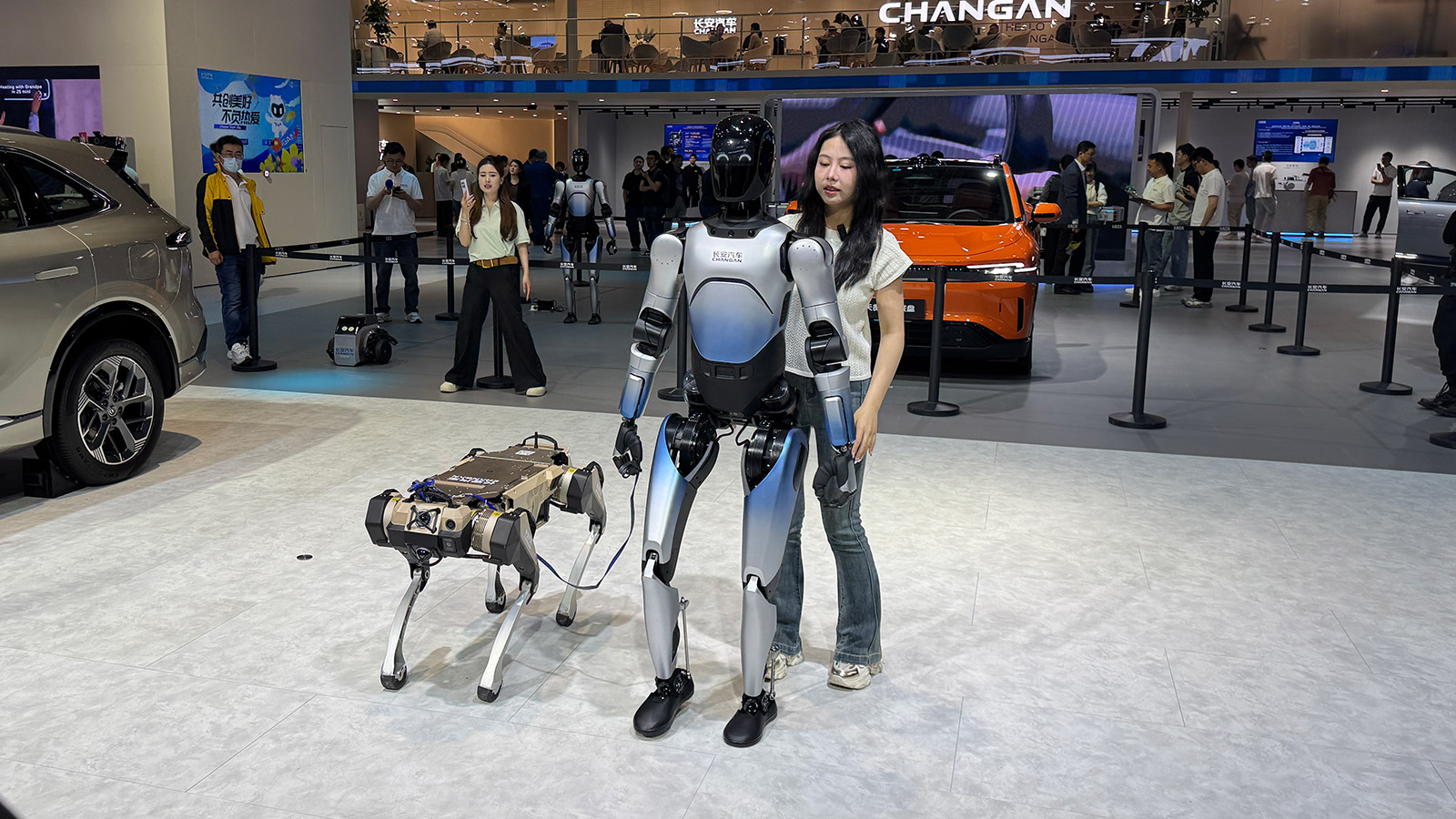
Here's the deal: Alibaba's Qwen team has launched three core AI models—Qwen-RobotNav, Qwen-RobotManip, and Qwen-RobotWorld—designed to provide a unified software stack for intelligent robots. Think of them as the brains, not the bodies, enabling robots to navigate, manipulate objects, and understand the physics of their world with unprecedented adaptability.
This initiative represents Alibaba's deep commitment to "embodied AI," the idea that AI agents need to interact with the physical world to truly achieve advanced intelligence. It's a significant departure from traditional machine learning models that often lack the adaptability of generative AI, especially when faced with the messy, unpredictable realities of physics rather than just data prompts. Alibaba, already spanning chips, cloud infrastructure, AI models, and applications, is uniquely positioned to pursue such a vertically integrated vision.
The suite breaks down into specialized, yet complementary, components. Qwen-RobotNav unifies disparate navigation tasks—from following instructions to object searching and autonomous driving—by offering a flexible interface for visual memory strategies. It's been trained on 15.6 million samples and boasts impressive success rates on benchmarks like VLN-CE RxR and EVT-Bench, showing robust performance in complex real-world navigation scenarios.
Then there's Qwen-RobotManip, which tackles the gnarly problem of robot manipulation across different hardware platforms. Robots speak different "action languages"—a Franka arm uses joint angles, an ALOHA robot uses gripper positions, and humanoids use whole-body coordinates. Alibaba's solution synthesizes approximately 38,100 hours of training data from open-source robot datasets and human videos to bridge these gaps, ranking first on the RoboChallenge Table30-v1 benchmark, a testament to its broad applicability.
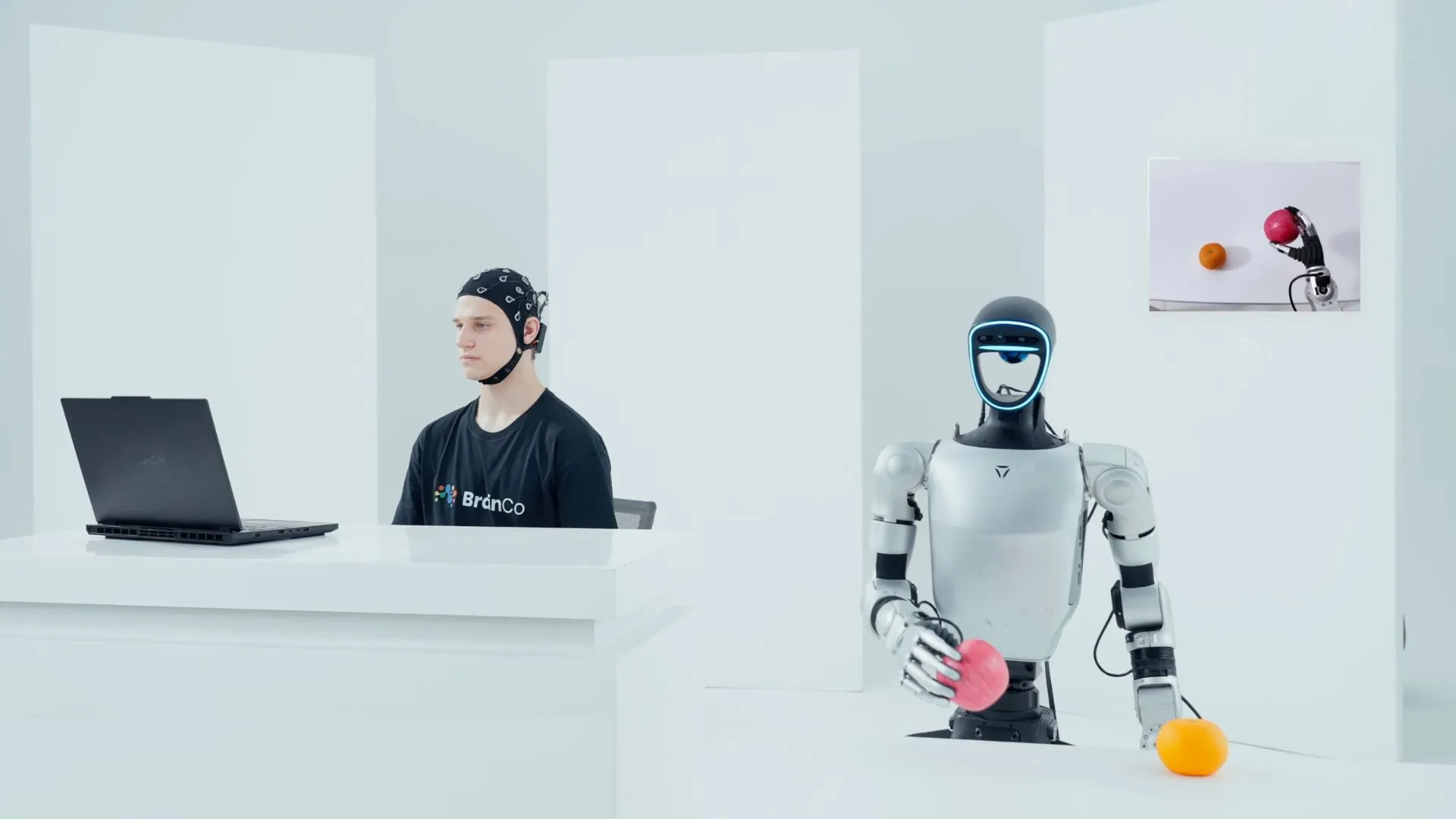
The most ambitious of the trio is Qwen-RobotWorld, a language-conditioned video world model. Imagine telling a robot, "Pick up the red cup and pour water on the flower," and the system understands how to execute that command, regardless of whether the "actor" is a gripper, a vehicle, or a mobile agent. It's trained on a massive corpus of 8.6 million video-text pairs and excels on benchmarks like EWMBench and DreamGen Bench, even demonstrating perfect adherence to fundamental physics laws. This is a game-changer for enabling natural language interaction with physical systems.
The Android Moment for Robotics?
I think the comparison to Android is apt, and it's worth understanding why. The robotics industry, for all its promise, has long been fragmented. Hardware manufacturers build their robots with proprietary software, making it incredibly difficult to develop universal applications or transfer learning between different platforms. This siloed approach stifles innovation and slows down adoption. Alibaba's Qwen-Robot Suite aims to provide a standardized, unified software layer, much like Android did for mobile phones, abstracting away the hardware complexities and allowing developers to focus on creating intelligent applications.
What sets Alibaba apart from many Western labs—like Google DeepMind, Nvidia, or startups such as Figure AI and Physical Intelligence—is its full-stack, vertical integration. While many competitors focus on specific aspects like navigation, manipulation, or particular hardware designs, Alibaba controls the entire chain: from the underlying chips and cloud infrastructure to the foundation models and serving platforms. This allows for unparalleled optimization and synergy across the stack, giving them a significant strategic advantage in building a truly comprehensive "operating system" for embodied AI.
My read is that this isn't just about selling more cloud services or hardware; it's about establishing a foundational platform that could become the de facto standard for the robot economy. If successful, Alibaba could become the dominant player in the software that powers a vast range of future autonomous systems, from industrial automation to consumer robotics. For North American tech companies and investors, this is a clear signal that the race for foundational AI in the physical world is intensifying, and the battle will be for the underlying software infrastructure.
Beyond the Hype: What It Means for the Ecosystem
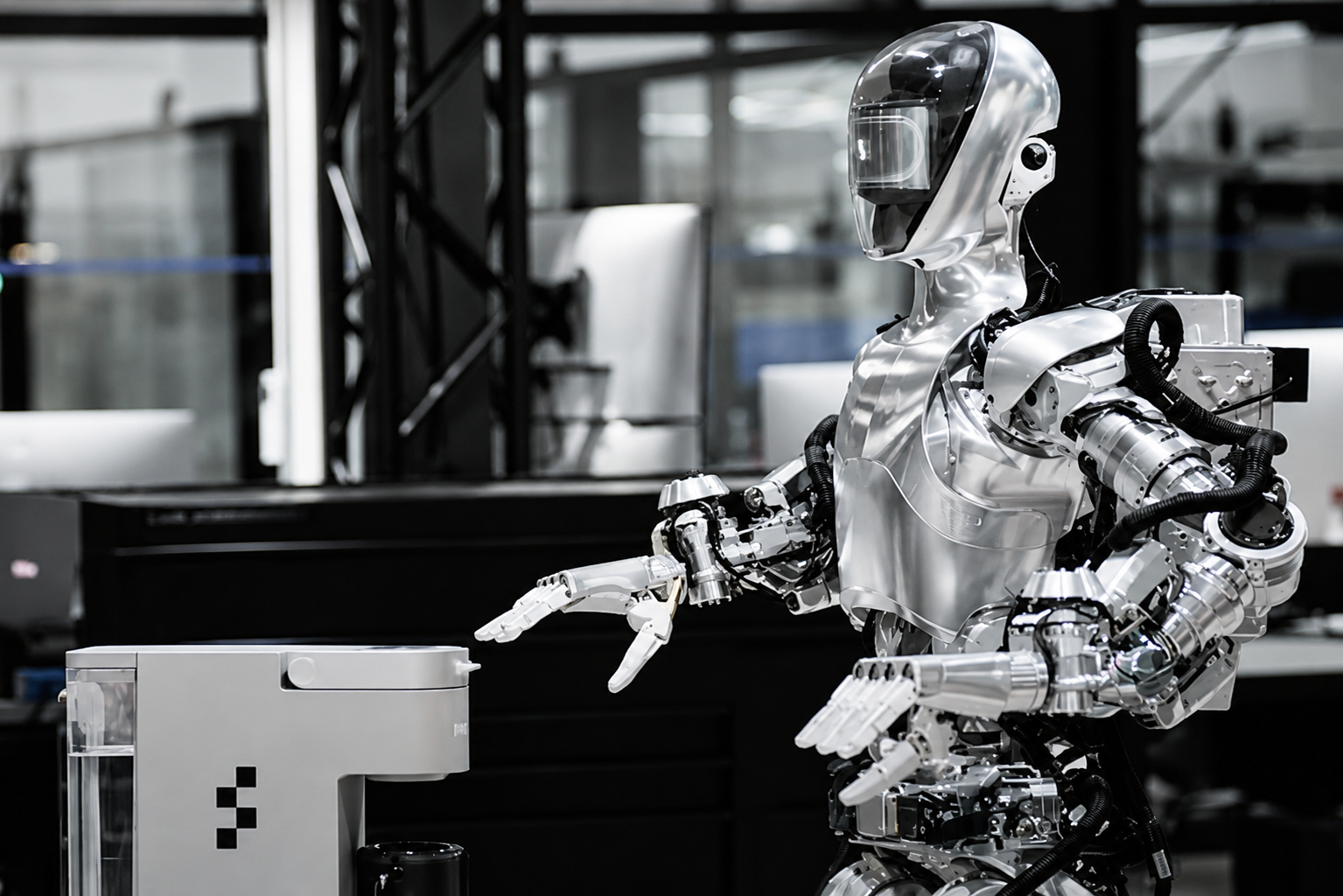
It’s important to clarify a common misconception: these are not robots themselves, but the sophisticated software "brains" that power them. They run on hardware from various manufacturers like AgileX, Franka, Universal Robots, and Unitree. While these are generative AI models for robots, they are fundamentally different from large language models like ChatGPT. An LLM predicts tokens in a sequence; Qwen-Robot models must understand physics, spatial relationships, and the physical consequences of actions. An LLM might tell you a glass breaks if dropped; Qwen-RobotWorld predicts *how* it breaks, and Qwen-RobotManip plans to prevent the drop entirely.
For North American robotics startups, this could be a double-edged sword: on one hand, it validates the market and could spur more venture capital interest in the sector; on the other hand, it introduces a formidable, vertically integrated competitor that could potentially set global standards.
The technical achievements here are genuinely impressive. RobotManip's "alignment-first" approach directly addresses a critical bottleneck in training robots across different physical embodiments. RobotNav's parameterized observation interface offers an elegant solution to tailoring navigation strategies to specific contexts. And RobotWorld's vision of language as a universal action interface is, in my opinion, the correct abstraction for truly general-purpose world modeling. These are not incremental improvements; they are foundational shifts in how we approach robotics.
Of course, we shouldn't expect household robots doing our laundry next week. As Alibaba itself acknowledges, the gap between controlled lab demos and reliable real-world deployment is enormous. The "long tail of edge cases"—unforeseen circumstances, sensor noise, actuator drift—has historically humbled every robotics effort. These models have topped simulation benchmarks, but the translation to chaotic real-world environments is where the true challenge lies. Alibaba hasn't disclosed pricing, timelines, or customer access beyond pilot programs, which is typical for such ambitious, long-term plays.
Nevertheless, this initiative is a powerful signal to the global tech and venture capital community. It underscores the accelerating shift towards embodied AI and highlights the immense potential for foundational software to drive this revolution. For founders in the robotics space, this means a clearer pathway to building applications, but also a more competitive landscape. For investors, it redefines where the smart money should flow in the next decade of automation. This isn't just a product launch; it's a strategic declaration in the race to build the infrastructure for a truly autonomous, robot-powered future, and it demands our attention.
Frequently asked questions
What is Alibaba's Qwen-Robot Suite?
Alibaba's Qwen-Robot Suite is a trio of AI foundation models designed to serve as a unified operating system for robots. It handles navigation (Qwen-RobotNav), manipulation (Qwen-RobotManip), and physics-based world simulation (Qwen-RobotWorld) to enable embodied intelligence.
How is Qwen-Robot different from traditional robot AI?
Unlike traditional machine learning models that lack adaptability, Qwen-Robot uses generative AI principles to understand complex physics and spatial relationships, offering more dynamic and adaptable control for physical agents.
Is Qwen-Robot an actual robot?
No, Qwen-Robot consists of software models—the "brains"—designed to run on various existing robot hardware platforms from companies like Franka and Unitree.
How does Qwen-Robot compare to LLMs like ChatGPT?
While both are generative AI, Qwen-Robot models differ from LLMs by focusing on understanding and predicting physical actions and consequences in the real world, rather than just linguistic tokens.
What are the main components of the Qwen-Robot Suite?
The suite comprises Qwen-RobotNav for navigation, Qwen-RobotManip for object handling, and Qwen-RobotWorld for simulating realistic physical environments and interactions.
When can we expect robots powered by Qwen-Robot in our homes?
Real-world deployment of highly reliable home robots powered by systems like Qwen-Robot is still years away. Significant challenges remain in handling real-world variability, sensor noise, and edge cases outside of controlled simulations.