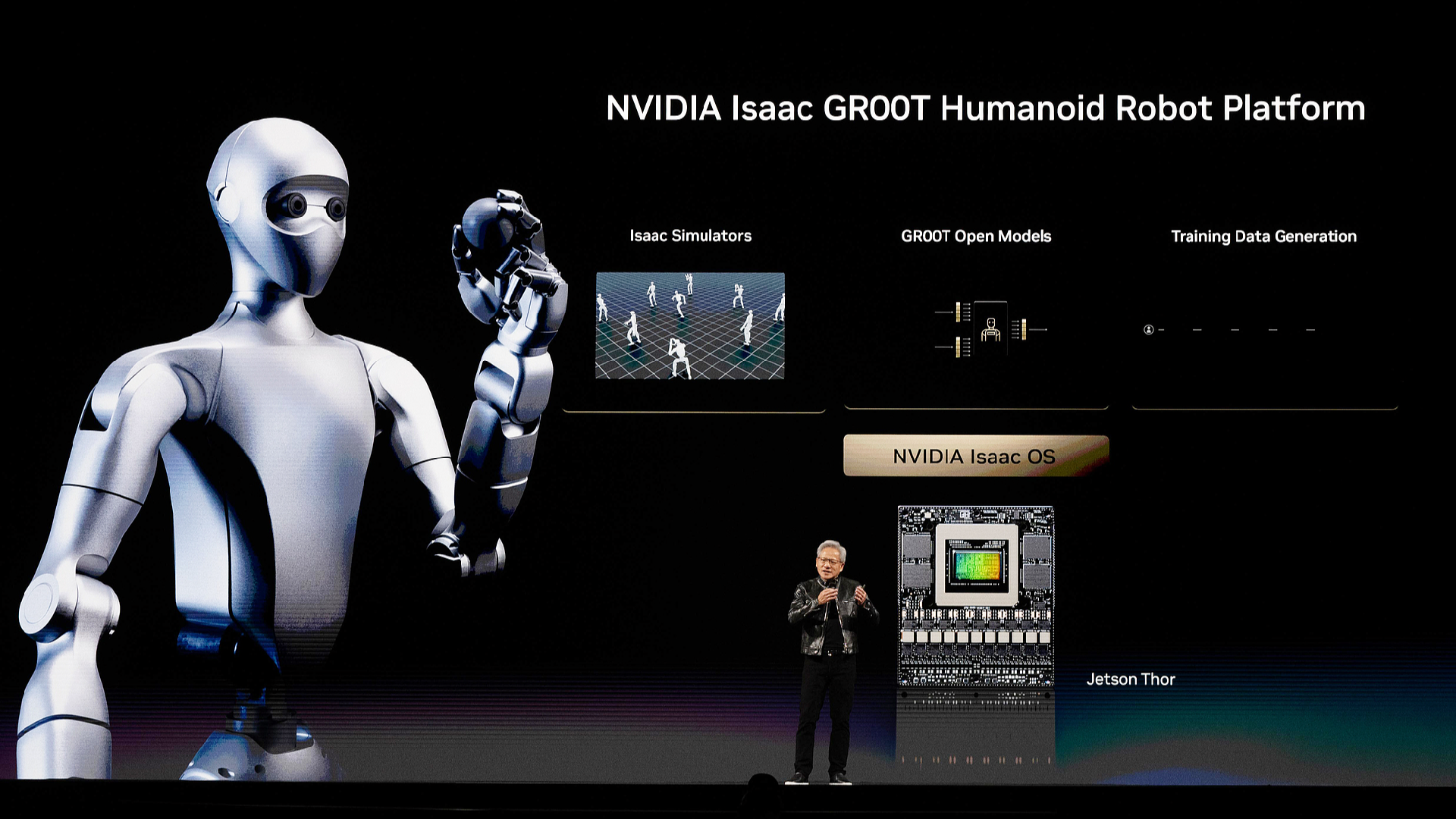
NVIDIA unveils Isaac GR00T, a foundational step in general-purpose humanoid robots, poised to revolutionize industries and daily life with intelligent machines.
NVIDIA, the company already dominating the AI chip market, is now making a bold move into the future of physical intelligence. Today, the tech giant announced Isaac GR00T, a groundbreaking project focused on general-purpose humanoid robots. This isn't just another chip; it's a foundational step towards intelligent machines that could soon be working alongside us, changing industries and daily life as we know it.
Here's what happened: NVIDIA unveiled a new reference hardware design and a comprehensive software platform, all built around Isaac GR00T. This initiative is explicitly designed to supercharge the development of humanoid robots, enabling them to learn from human actions, adapt to diverse tasks, and interact seamlessly with our complex physical environments.
The core of the GR00T project, which stands for Generalist Robot 00 Technology, is its ability to power robots capable of understanding and performing a vast array of tasks. Imagine a robot learning to sort packages by simply watching a human, then applying that skill to an entirely different set of items. This marks a significant shift, moving beyond single-task automation to truly versatile robotic companions that can adapt and generalize across various scenarios.
Driving this intelligence is the powerful NVIDIA Jetson Thor system-on-a-chip. This specialized hardware provides the computational muscle needed for complex AI models to run in real-time on a physical robot. It’s a complete package, combining high-performance processing with optimized AI capabilities, essential for robots to navigate, perceive, and act intelligently and autonomously.
NVIDIA is also doubling down on its Isaac robotics platform. The company introduced new tools, including an enhanced Isaac Sim, which runs on the NVIDIA Omniverse. This allows developers to simulate robot operations in highly realistic virtual environments, accelerating the training and testing process dramatically before ever touching a piece of physical hardware. Think of it as a digital twin for robot development, a crucial step for rapid iteration and safety in complex robotic applications.
What You Need To Know About GR00T
This isn't a robot NVIDIA plans to sell directly to consumers or factories right away. Instead, the company is releasing Isaac GR00T as a reference design primarily for academic research. This "open platform" approach is a strategic move to foster widespread innovation and collaboration across the robotics community. By providing a robust, standardized foundation, NVIDIA is inviting researchers and developers globally to build upon its work, accelerating the entire field of humanoid robotics. It's a play to become the underlying technology provider for the next generation of intelligent machines, much like its dominance in AI computing infrastructure.
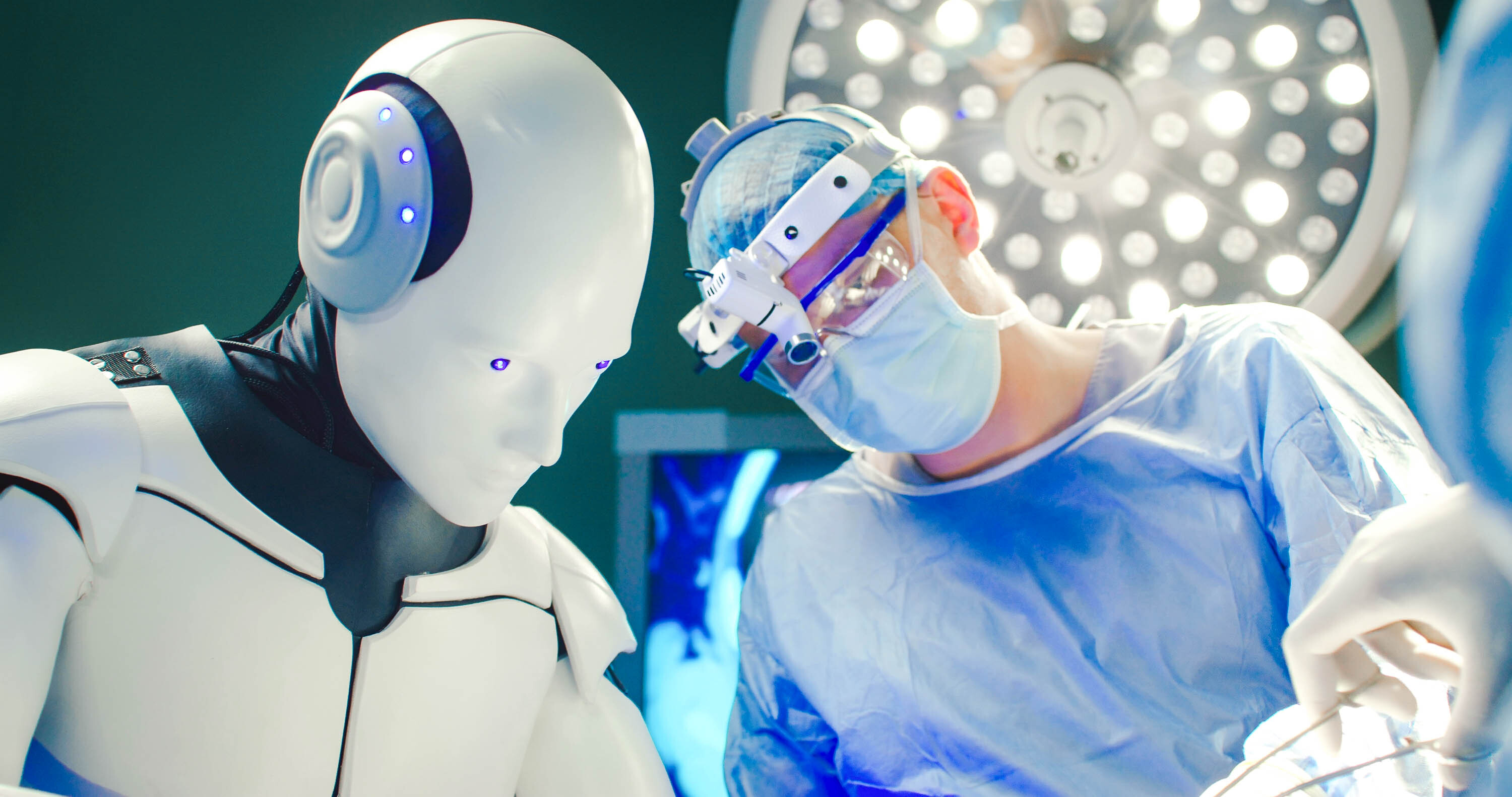
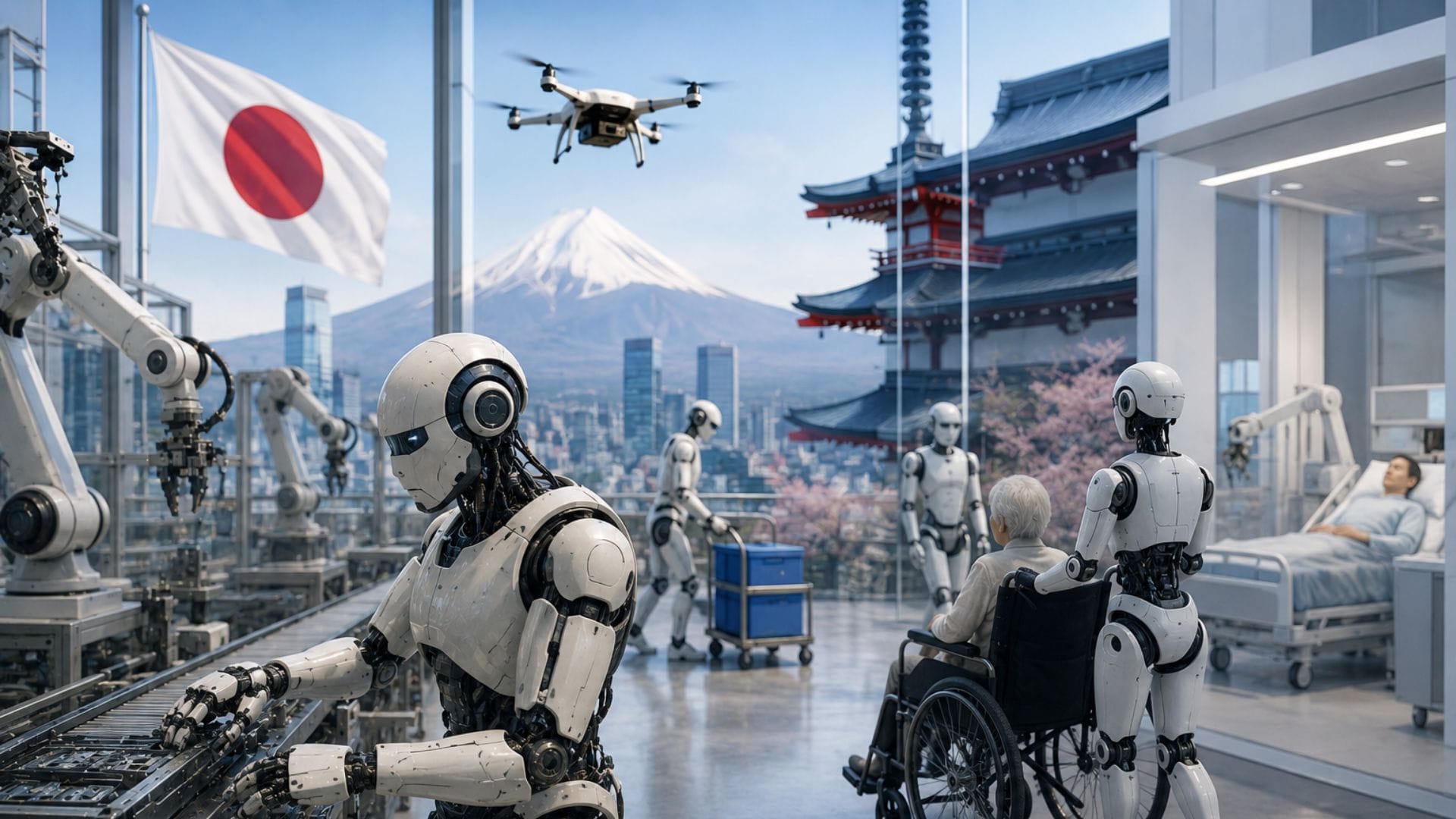
The goal is to enable breakthroughs across a wide spectrum of sectors. NVIDIA sees GR00T-powered robots potentially transforming manufacturing floors, where they could handle complex assembly tasks with greater flexibility and precision. In logistics, these robots could revolutionize warehouse operations, managing inventory and fulfillment with unprecedented adaptability and efficiency. The implications extend even further, reaching into healthcare for assistance with patient care or delicate procedures, and even into home assistance, performing chores or helping with daily tasks for individuals.
The implications for workers across North America are significant. While some might envision robots replacing human labor, the vision presented by NVIDIA often focuses on collaboration and augmentation. Humanoid robots, capable of learning and adapting, could take on dangerous, repetitive, or physically demanding jobs, freeing human workers for more complex, creative, or supervisory roles. This shift could redefine job roles across industries, particularly in North America where labor shortages and efficiency demands are pressing concerns, driving the need for new automation solutions.
The Road Ahead for Humanoid AI
NVIDIA has spoken about the transformative potential of general-purpose humanoid robots, suggesting this technology could usher in a new era of AI and physical intelligence. This vision paints a future where AI isn't just living in the cloud or on our screens, but physically interacting with and shaping our world. The convergence of advanced AI models with sophisticated robotic hardware represents a fundamental shift in how we conceive of automation and intelligent systems.
The introduction of GR00T isn't just about hardware; it's about the software and AI models that make the hardware intelligent. A "general-purpose foundation model" for robots implies a sophisticated AI that can learn broad skills and apply them across different contexts, much like a human can. This contrasts sharply with previous generations of robots that were often programmed for highly specific, rigid tasks. Such a model is critical for robots to move beyond isolated functions to truly adaptive and versatile roles in dynamic environments.
The architecture of Isaac GR00T means researchers will have access to a powerful and integrated toolkit. The Jetson Thor platform provides the raw processing power, handling everything from sensor data fusion to complex motion planning and real-time AI inference directly on the device. This on-board processing capability is crucial for autonomous operation, reducing latency and reliance on cloud connectivity, which is vital for quick, safe, and responsive robot actions in the real world.
Isaac Sim, running on Omniverse, offers an unparalleled environment for developing and testing robot behaviors without the need for expensive physical prototypes for every iteration. This accelerates the development cycle, allowing for faster innovation and safer deployment by enabling numerous simulations in parallel. Developers can experiment with new algorithms and control systems in a virtual space, refining them before they are ever implemented on a physical machine, reducing costs and risks significantly.
This dual focus on advanced hardware and sophisticated simulation environments is a hallmark of NVIDIA's strategy in AI and robotics. By providing both the brain for the robot and the digital playground for its development, the company aims to become the essential partner for anyone developing intelligent autonomous systems. This integrated approach ensures that the software can fully leverage the hardware's capabilities, pushing the boundaries of what humanoid robots can achieve in terms of intelligence, agility, and adaptability.
For consumers in North America, the direct impact might not be immediate, but the ripples will be felt across industries. Imagine manufacturing plants becoming more flexible and responsive to demand, leading to faster product delivery and potentially lower costs for everyday goods. In the healthcare sector, robots could assist nurses, carry supplies, or even aid in physical therapy, alleviating staff burdens and improving patient care outcomes. These are not distant sci-fi scenarios but potential near-term applications driven by accessible research platforms like GR00T.
The concept of a "reference design" is crucial here. It provides a blueprint, a proven starting point, allowing academic institutions, startups, and even larger corporations to leapfrog much of the initial engineering and focus directly on developing novel AI behaviors and applications. This democratization of advanced robotics development could unlock a wave of creativity and practical solutions that were previously too complex or costly to pursue, accelerating the entire industry's progress.
The challenge, of course, will be transforming these academic breakthroughs into commercially viable products. That transition requires further investment, robust engineering, and careful consideration of safety and ethical implications for their deployment in public and private spaces. However, by laying this groundwork, NVIDIA is setting the stage for a new ecosystem of robotic innovation that could see humanoid robots move from specialized labs into broader industrial and even domestic settings within the next decade, becoming a more common sight.
The launch of NVIDIA Isaac GR00T marks a pivotal moment in the evolution of AI and robotics. It’s a clear signal that the era of general-purpose, intelligent machines capable of learning and adapting is not just theoretical, but rapidly becoming a tangible reality. As researchers begin to build upon this foundational platform, North America and the world could soon witness a profound transformation in how work is done, how services are delivered, and how we interact with technology in our everyday lives. This move firmly positions NVIDIA not just as a chipmaker, but as an architect of the physical AI future.
Frequently asked questions
What is NVIDIA Isaac GR00T?
NVIDIA Isaac GR00T is a new reference humanoid robot project announced by NVIDIA, focused on developing general-purpose intelligent machines for academic research. It represents a significant step into physical AI.
What is the purpose of Isaac GR00T?
Its purpose is to accelerate research and development in general-purpose humanoid robots, laying the foundation for intelligent machines that can work alongside humans across various industries.
How does GR00T relate to NVIDIA's existing AI work?
GR00T leverages NVIDIA's expertise in AI chips and software, extending their dominance from digital AI into the realm of physical intelligence and robotics.
What industries might Isaac GR00T impact?
Isaac GR00T could impact a wide range of industries, including manufacturing, logistics, healthcare, and even daily consumer services, by introducing intelligent, adaptable robots.
Is Isaac GR00T a product for consumers?
No, Isaac GR00T is a reference platform primarily intended for academic research and developers to build upon, rather than a direct consumer product.
When was Isaac GR00T announced?
Isaac GR00T was announced recently by NVIDIA, signaling their bold move into the future of physical intelligence and humanoid robotics.