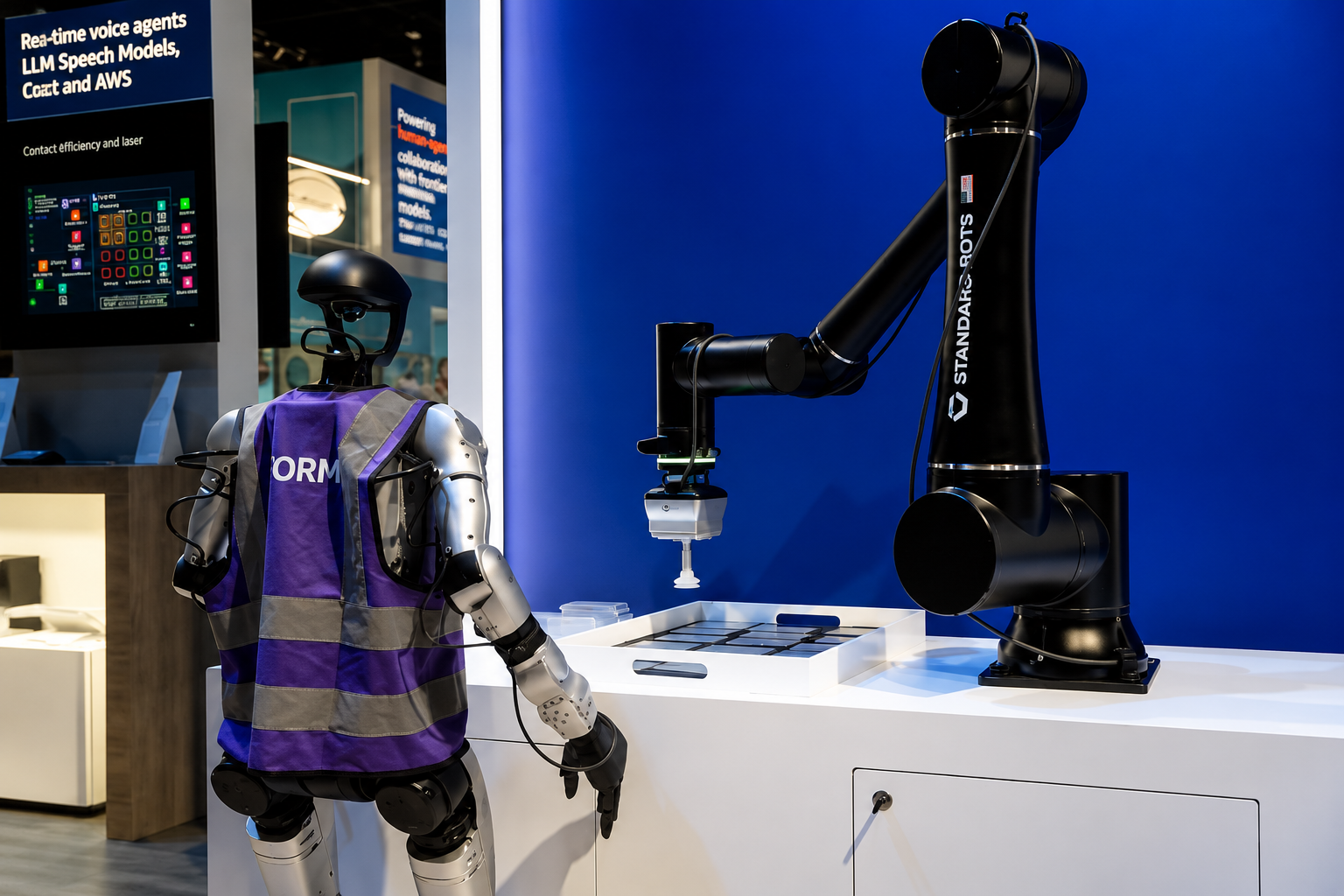
Standard Bots secures $200M Series C, betting AI robots will revitalize US manufacturing & bring jobs back. A $1B bet on automation's promise.
Bringing Jobs Back To The US Via… Robots? Standard Bots Raises $200 Million
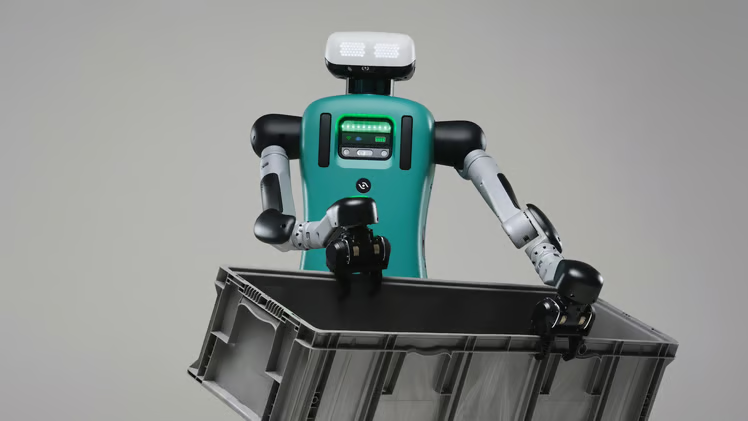
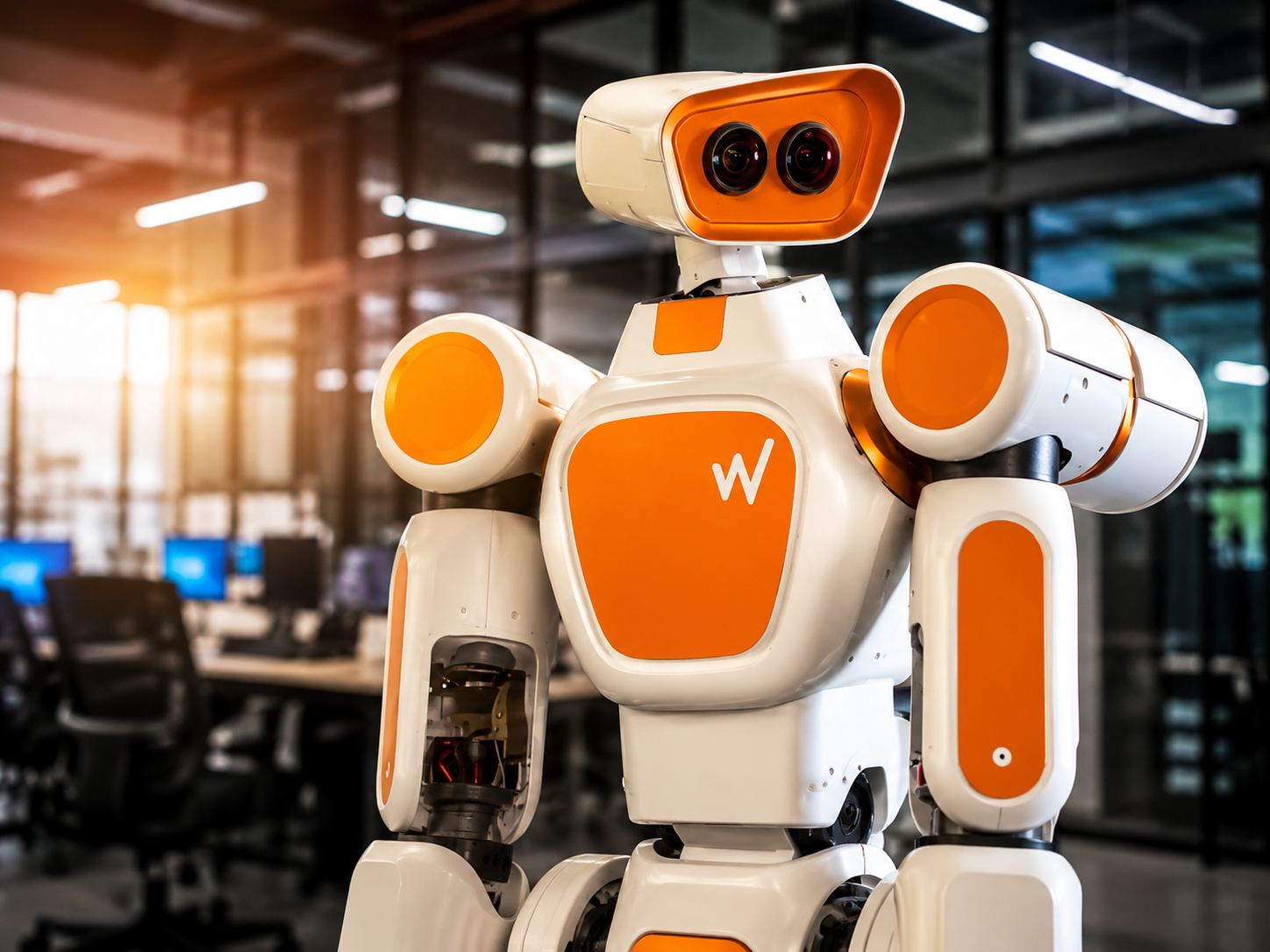
A massive $200 million Series C funding round for industrial robotics maker Standard Bots has just landed, propelling the company to a $1 billion valuation. This isn't just another big check in the tech world; it's a significant bet on a future where advanced robots are the unlikely heroes in the quest to revitalize American manufacturing and, surprisingly, create jobs for everyday people. The implications for the US industrial landscape and its workforce are profound, presenting a fascinating paradox. Here's why this matters: Standard Bots, which claims the title of the largest manufacturer of AI-native industrial robots in the United States, is challenging the long-held notion that robots are job killers. Their core argument is that by making American manufacturers more competitive, these robots will unlock growth, leading to more employment opportunities right here at home. The company's mission addresses a stark reality: the US manufacturing sector has seen its workforce shrink dramatically, from 20 million workers in 1979 to a mere 13 million today. Standard Bots believes that democratizing access to cutting-edge automation is the key to reversing this trend. They build AI-native robot arms and industrial humanoid robots designed to learn by demonstration, rather than requiring complex code. This means factory workers can simply show a robot a task, and it learns to perform it, dramatically reducing the cost and complexity that have historically kept advanced automation out of reach for many, especially the small and mid-sized manufacturers that form the backbone of US industry. Their customer list already spans from giants like Sunoco, Lockheed Martin, Amazon, and NASA to hundreds of these crucial smaller players. CEO Evan Beard frames AI-native robots as "the essential power tool of the 21st century," a tool he believes will empower every worker and grow American manufacturing. He’s also pragmatic, noting that "the quickest way to get to full autonomy is through deployments, collecting real-world data, and iterating as fast as possible." This approach, typical of agile software development, is now being applied to physical robotics, signifying a maturity in the sector that venture capital finds compelling.
Why This Matters for American Manufacturing's Future
From my vantage point within the startup ecosystem, this investment isn't just about a single company; it's a bellwether for a much larger strategic shift. We’ve seen for years how manufacturing has migrated offshore, often chasing lower labor costs. But Standard Bots and its investors are betting on a different equation. They argue that while China might have a better cost structure in some areas, the real differentiator, and indeed the missing piece for the US, is investment in automation. The numbers are frankly staggering: last year, China installed nine times more industrial robots than America – more than the rest of the world combined, according to Standard Bots' figures. The International Federation of Robotics corroborates this, reporting that China installed 295,000 industrial robots in 2024, representing 54% of the global total, and now boasts an operational robot stock exceeding 2 million units. The Americas, in contrast, accounted for a mere 9% of new deployments. This is the "robot gap" that Standard Bots aims to close. The strategic imperative here is clear: to remain competitive, and to genuinely bring manufacturing back, the US needs to embrace advanced automation at an unprecedented scale. Standard Bots isn't just talking about it; they're walking the "made-in-America" walk. The company designs almost all its own parts, including actuators, and assembles every final product in-house. Their ambitious goal is to manufacture everything—from raw metal to finished robots—right here in America by 2027. This level of vertical integration and commitment to domestic production is a huge signal to the market and to policymakers, aligning perfectly with national interests in supply chain resilience and industrial independence.
Standard Bots hitting unicorn status with a $200 million Series C underscores a massive macroeconomic shift: hard tech and physical AI are the new frontiers for venture scale. Closing the "robot gap" with China isn’t just about lowering labor costs; it’s about rebuilding domestic industrial resilience. For years, hardware startups faced a VC penalty due to intensive capital demands, but geopolitical anxieties and supply chain vulnerabilities have changed the math. The real winner here won't just be Standard Bots, but the downstream ecosystem of small and mid-sized American manufacturers who can finally afford to automate.
The $200 million injection, led by robotics fund RoboStrategy alongside existing backer General Catalyst, is a powerful endorsement of this vision. It represents a steep markup from their previous $63 million raise in 2024, indicating rapid progress and strong investor confidence. Andrew Kang, CEO of RoboStrategy, highlighted that Standard Bots has "solved one of the hardest problems in industrial automation: making robots that are not only powerful, but actually usable on the factory floor without specialized programming." General Catalyst partner Max Rimpel went further, stating, "The democratization of robotics is no longer a slogan; it's happening on factory floors across America." This sentiment resonates deeply with the broader trend I observe in venture capital: a growing focus on tangible, hardware-backed solutions that can drive real-world economic change, not just digital disruption.
The Job Paradox: Displacement or Growth?
The central, perhaps most contentious, question remains: does adding more robots truly mean adding more jobs? It’s a debate as old as industrial automation itself, and the research, as often happens, presents a complex picture. Standard Bots points to a compelling 2025 study by University of Minnesota academics, in collaboration with a researcher from Universidad Pública de Navarra. Their findings suggest a significant boost: "approximately 150% increase in job postings and 15% increase in employment in plants that adopt robots compared to non-adopters matched by industry and labor market." This study argues that requirements for design, maintenance, and other technical skills increase for those working with robots, indicating productivity and human-robot complementarity effects that dominate displacement. Essentially, they posit that increased competitiveness from robot adoption leads to higher output, creating positive spillover effects across the plant and firm. This research, along with an older study of Spanish and French manufacturers that found robot-adopting firms expanding operations and adding jobs while non-adopters struggled, offers a hopeful narrative. My read on this, from an ecosystem perspective, is that the key isn't necessarily a net increase in *identical* jobs, but a shift towards *different* jobs—roles that require higher cognitive skills, maintenance, supervision, and system integration. The challenge, and the opportunity, lies in reskilling the workforce to meet these new demands. However, it's also crucial to acknowledge the counter-arguments. An even older American study cited in the source materials suggested that one additional robot per thousand workers could lower the local employment-to-population ratio by about 0.2 percentage points and wages by roughly 0.42%. These conflicting findings highlight the nuance: while robots may create jobs within the companies that deploy them by making them more competitive, there can be a reallocation of jobs, and non-adopting companies might face competitive pressures that lead to job losses. This isn't a simple equation, and as an ecosystem observer, I expect a deluge of further research on this topic in the coming years. We absolutely need more data to understand the full socioeconomic impact. Despite the complexities of the job creation debate, Standard Bots isn't wrong about the core problem facing American manufacturing. The decline wasn't purely about labor costs; it was significantly about a failure to invest in and build advanced automation at home. This $200 million bet is a clear signal that the fix for a "robot gap" is, ironically, more robots—specifically, AI-native ones made in New York. The question that remains to be answered in the next few years is whether this influx of intelligent machines will ultimately bring the jobs back, or simply the work, transforming the nature of employment in the process. My money is on a nuanced outcome, where a more competitive American manufacturing base thrives, supporting a workforce that is continually adapting and upskilling to work alongside these new robotic colleagues.
Frequently asked questions
How much funding did Standard Bots raise and what is their valuation?
Standard Bots recently secured $200 million in Series C funding, propelling the company to a $1 billion valuation. This significant investment highlights growing confidence in the future of AI-native industrial robotics and its potential impact on the manufacturing sector.
How do Standard Bots' AI-native robots learn tasks?
Standard Bots' AI-native robots can be taught by demonstration, meaning users show the robot the job, and it watches, learns, and begins performing the task itself without complex coding.
What is Standard Bots' plan for US manufacturing?
Standard Bots plans to manufacture all its products, from raw materials to finished robots, entirely in America by 2027, emphasizing a commitment to 'made-in-America.'
How does China's robot adoption compare to the US?
Last year, China installed nine times more industrial robots than the US, accounting for 54% of global deployments and exceeding all other countries combined.
Do robots create or displace jobs according to research?
Research cited by Standard Bots suggests robot adoption can increase job postings and employment in adopting plants due to increased competitiveness, though older studies show mixed results and potential reallocation or displacement.
Who are some of Standard Bots' customers?
Standard Bots serves a diverse range of customers, including large corporations like Sunoco, Lockheed Martin, Amazon, NASA, and the U.S. Army, as well as hundreds of smaller manufacturers.