Android 17's new native migration experience intensifies the smartphone ecosystem battle, threatening Apple's user retention and reshaping market dynamics.
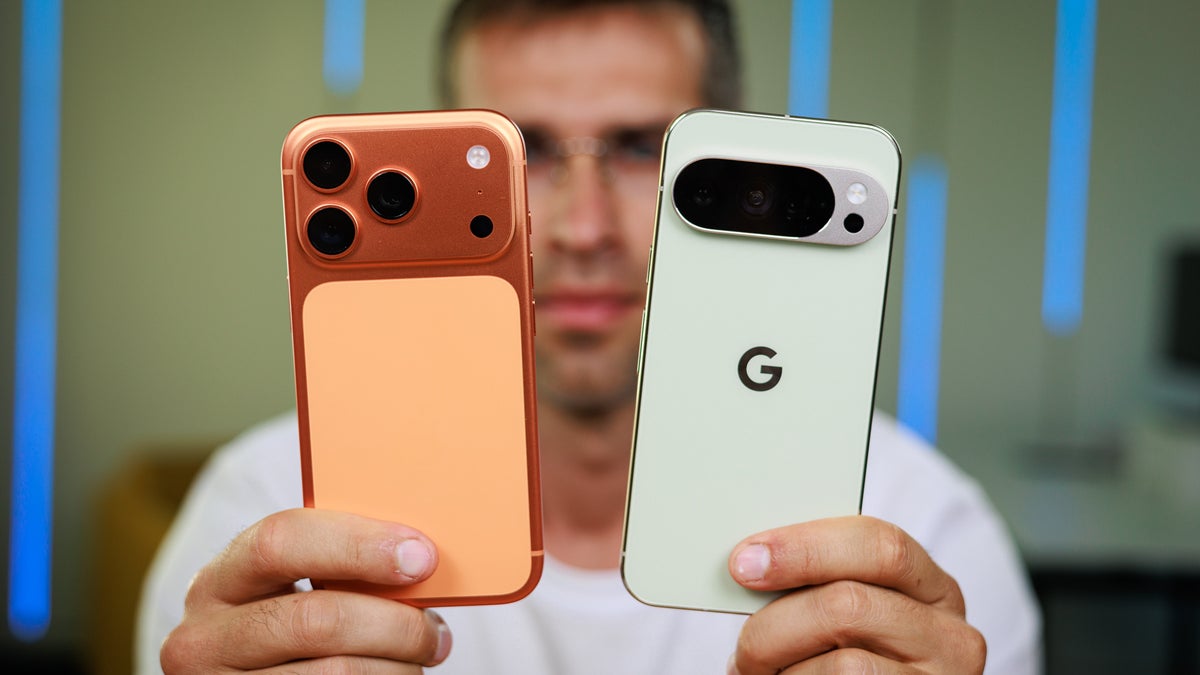
Google is making it easier to switch from iPhone to Android with a new native migration experience in Android 17, a development poised to intensify the long-running smartphone ecosystem battle and potentially erode Apple’s formidable user retention. This strategic enhancement aims to lower switching costs for consumers, creating a more fluid competitive landscape that could subtly shift market dynamics for both platform giants. The newly integrated feature allows wireless transfer of a significantly broader array of data types from an iPhone directly to an Android device, obviating the need for a separate third-party application. Users can now seamlessly port not only essential content like photos, videos, contacts, messages, and calendars, but also critical personal and account information including their Google Account, stored passwords, Wi-Fi credentials, and even eSIM profiles. This expanded data portability directly addresses key friction points that have historically deterred users from migrating platforms. The rollout has commenced on select Pixel devices and is immediately available on the recently unveiled Samsung Galaxy Z Flip8 and Z Fold8 series, signaling a coordinated effort with a major Android hardware partner. Google has indicated that this enhanced migration method will extend to a wider range of Android devices in the near future, broadening its potential reach across the global Android user base. The initiative represents a concerted push by Google to leverage its platform's open nature against the perceived "walled garden" approach of its Cupertino-based rival, Apple.
What Are the Stakes for Market Share?
The long-term implications for global smartphone market share, while not immediately quantifiable, are significant given the deep entrenchment of mobile ecosystems. High switching costs, often dubbed the "Apple tax" or "Android penalty," have historically created considerable inertia, locking users into platforms despite perceived advantages elsewhere. Google’s move is a direct assault on these barriers, aiming to capture a segment of the market where users are dissatisfied but find the migration process too cumbersome. This improved interoperability could be particularly impactful in mature markets where user acquisition often comes at the expense of a competitor's installed base, rather than from new smartphone adopters. Even marginal shifts in user allegiance, driven by the convenience of data transfer, could represent substantial gains for Android, especially as device sales growth moderates. The financial value tied to each active user, encompassing app store revenue, advertising data, and ancillary service subscriptions, makes every converted user a high-value asset in the ongoing platform wars.
Android 17: The latest version of Google's mobile operating system introduces the enhanced migration experience, signaling the company's commitment to making platform switching a core, native functionality rather than an aftermarket solution.
What Is the Background of the Ecosystem Battle?
The rivalry between Google's Android and Apple's iOS platforms has defined the modern smartphone era, characterized by distinct business models and user experiences. Apple has cultivated a premium, tightly integrated ecosystem, known for its robust security and user privacy, which fosters intense brand loyalty. Conversely, Android, an open-source platform, has achieved unparalleled global scale through diverse hardware partners, offering a wide array of devices across all price points. For years, the practical challenges of switching between these ecosystems have been a point of friction, often requiring third-party tools, cloud-based transfers, or manual data migration, particularly for proprietary data formats and secure credentials. This complexity has contributed to the stickiness of both platforms. However, a growing global regulatory push for greater data portability and interoperability, exemplified by initiatives like the European Union's Digital Markets Act, creates a timely backdrop for Google's latest move, aligning its commercial interests with emerging policy directives.
The Bear Case for Significant Impact
Despite the technical advancements in migration, significant hurdles remain for Google in engineering a widespread shift in consumer behavior. User inertia, deeply ingrained brand loyalty, and the pervasive network effect of services like Apple's iMessage continue to represent formidable barriers. Many users are deeply invested in their current platform, not just through data, but through years of accumulated apps, digital purchases, and social connections tied to their operating system. Furthermore, the act of switching ecosystems often entails the purchase of new hardware, a considerable financial outlay that can negate the perceived benefits of a smoother data transfer. While the new tool simplifies the software migration, it does not address the cost of a new device or the potential learning curve associated with a different operating system. Apple's vast installed base suggests that while Google's initiative is strategically sound, any impact on market share is likely to be incremental rather than a sudden, seismic shift. Investors and market observers will closely monitor quarterly reports from both Google and Apple for any discernible shifts in subscriber growth or device activation trends, particularly in regions where regulatory pressures favor increased platform openness. The effectiveness of this new migration tool will ultimately be measured not just by its technical capabilities, but by its ability to overcome decades of entrenched consumer habits and the powerful emotional attachment users often feel towards their chosen smartphone ecosystem. Any significant acceleration in Android's premium segment growth would indicate a successful chipping away at Apple's high-value user base.
Frequently asked questions
How do I switch from iPhone to Android more easily now?
Google has introduced a new native migration experience within Android 17 designed to simplify the process of moving data and settings from an iPhone to an Android device. This enhancement aims to lower switching costs and make the transition smoother for users.
What is Android 17's new migration experience?
Android 17 includes a built-in feature that streamlines the process of transferring data, photos, contacts, and other essential information directly from an Apple iPhone to a new Android smartphone.
Why is Google making it easier to switch from iPhone?
Google's strategic goal is to intensify competition in the smartphone market, potentially eroding Apple's strong user retention by making it less cumbersome for consumers to switch ecosystems.
Will this impact Apple's market share?
While it aims to, the impact on Apple's formidable market share and user retention remains to be seen, but it certainly creates a more fluid competitive landscape.
What kind of data can be transferred with the new tool?
The new migration tool in Android 17 is designed to facilitate the transfer of various data types, typically including contacts, messages, photos, videos, and app data, simplifying the setup of a new Android device.
Is this feature available now?
The article indicates this feature is part of Android 17, suggesting it will be available with the release or update to that specific Android version.