Amid an AI spending boom, Mark Zuckerberg drops a significant hint about Meta's potential foray into the highly competitive cloud market.
Meta Platforms, the social media giant behind Facebook, Instagram, and WhatsApp, just made a series of announcements that could significantly reshape its future and, by extension, the digital landscape for millions of users and businesses alike. From new subscription services for its core apps to a surprising hint about entering the highly competitive cloud computing market, CEO Mark Zuckerberg is clearly steering the company into uncharted waters at a critical juncture.
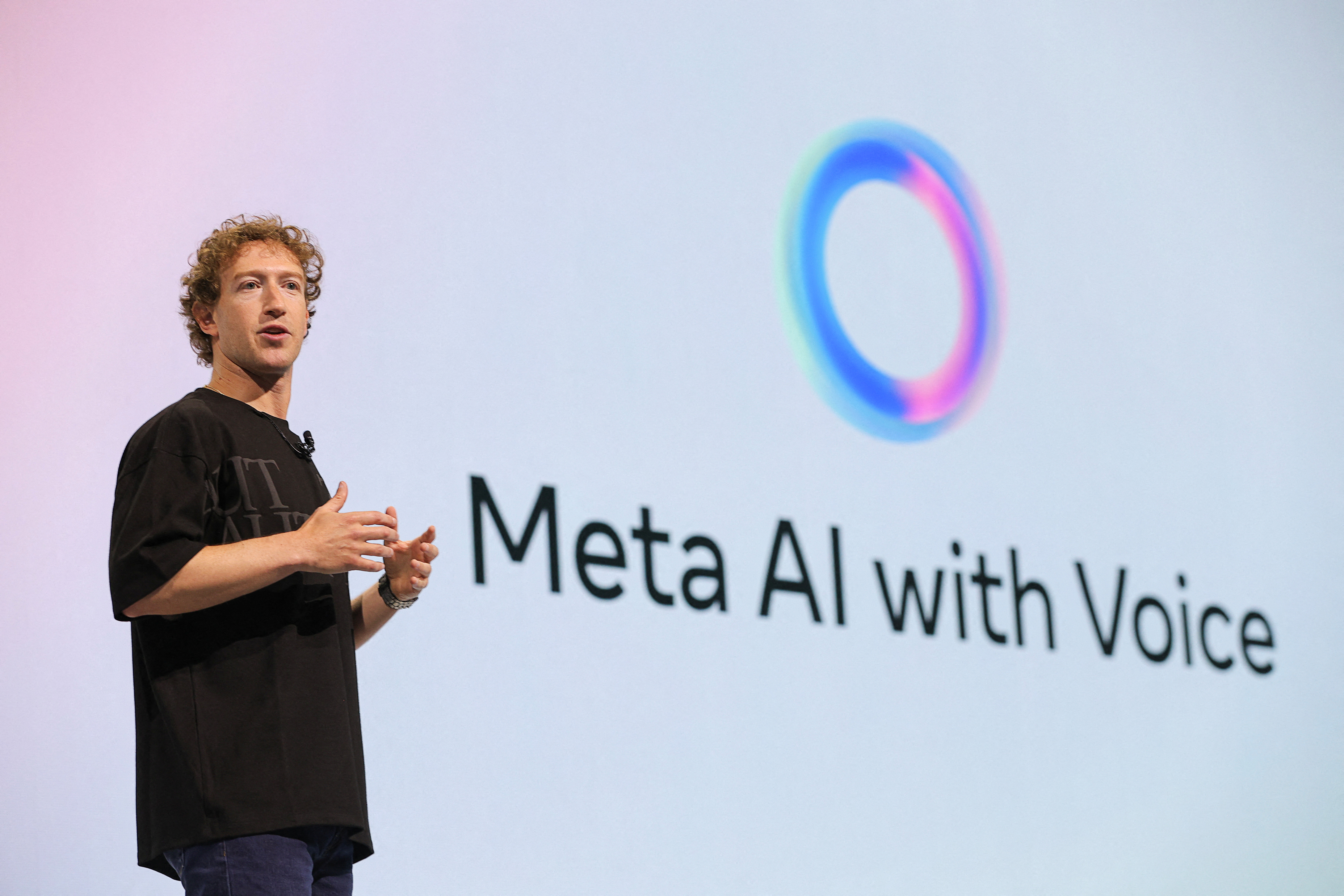
The most intriguing revelation came during Meta’s annual shareholder meeting, where Zuckerberg floated the idea of potentially opening up Meta's vast computing infrastructure to external businesses, effectively entering the cloud computing market. "It's definitely on the table," he reportedly said, addressing the possibility of competing with industry heavyweights like Amazon and Microsoft.
This isn't merely a speculative musing. Zuckerberg noted that companies are already approaching Meta, asking to purchase compute capacity or to stand up API services. The company's massive, ongoing investment in artificial intelligence, which requires colossal data centers and computational power, could soon lead to an excess capacity that Meta might seek to monetize. This strategic pivot comes alongside a fresh wave of subscription offerings for its flagship apps and its burgeoning AI chatbot, signaling a multi-pronged approach to revenue diversification and growth.
The news arrived just a week after Meta announced a significant round of layoffs, impacting 10% of its roughly 78,000-person workforce. These cuts, according to the company, are partly intended to free up capital to fuel its aggressive push into AI. Last month, Meta even raised its 2026 guidance for AI-related capital expenditures to a staggering range of $125 billion to $145 billion, up from a previous estimate of $115 billion to $135 billion. This kind of spending is not merely substantial; it positions Meta as one of the largest investors in AI infrastructure globally, potentially creating the very excess capacity that could launch its cloud ambitions.
Why Meta's Big AI Gamble and the Cloud Connection Matters
The conventional wisdom has long seen Meta primarily as a social media and advertising powerhouse, with a recent, costly detour into the metaverse. However, Zuckerberg's latest comments suggest a radical reorientation of the company's long-term strategy, potentially shifting its identity in the tech ecosystem. If Meta were to seriously enter cloud computing, it would be a game-changer for the industry, introducing a formidable new player with immense resources and a global infrastructure footprint.
The pivot from the metaverse to AI is already well underway and plays a crucial role in this potential cloud strategy. For years, Zuckerberg was heavily invested in creating metaverse applications and an entire virtual ecosystem through its Reality Labs unit. That direction has largely been abandoned, with the company cutting over 1,000 employees from Reality Labs in January and actively shutting down Horizon Worlds, its virtual reality social network. The billions once earmarked for virtual worlds are now flowing into AI development, including a significant over-$14 billion stake in AI startup Scale AI and the establishment of a new Meta Superintelligence Labs (MSL) division led by Scale AI co-founder Alexandr Wang.
This massive reallocation of resources into AI is the direct precursor to the cloud computing hint. Building the necessary infrastructure for cutting-edge AI—training large language models, powering advanced algorithms, and supporting next-generation applications—demands an unprecedented scale of data centers, servers, and specialized hardware. Should Meta find itself with more of this compute power than it immediately needs for its internal AI initiatives, selling that capacity as a service to other businesses becomes a logical, and potentially lucrative, path. This would transform its colossal capital expenditure into a new revenue stream, diversifying its business away from its core advertising revenue, which has faced headwinds in recent years.
Beyond Cloud: Meta's New Subscription Push
While the cloud computing prospect captured significant attention, Meta also unveiled concrete plans to roll out subscription offerings for its popular apps, a move that directly impacts everyday users. Facebook Plus and Instagram Plus are set to be priced at $3.99 per month, while WhatsApp Plus will cost $2.99 per month. Additionally, Meta AI, the company's conversational AI chatbot, will offer a basic subscription tier for $7.99 per month and a premium tier for $19.99 per month.
These subscriptions represent a clear attempt to broaden Meta's revenue streams beyond advertising, a common strategy adopted by many digital platforms. For consumers, it means new choices about how they interact with the apps they use daily for a monthly fee. For Meta, it's about adding a stable, recurring revenue component that can complement the often volatile advertising market.
The market's immediate reaction was largely positive. Meta Platforms, Inc. shares rose 3.4% to a one-month high on Wednesday following the announcements, though they edged slightly lower overnight. This rally provided a much-needed boost for investors, as META shares have underperformed significantly year to date, down 3.7% compared to the 19% gains seen in the tech-heavy Invesco QQQ Trust Series 1 (QQQ). In fact, META stock has been the second-worst performer in the "Magnificent Seven" group of equities this year, trailing only Microsoft.
Investor sentiment, particularly among retail traders, saw a notable shift. On Stocktwits, the sentiment for META flipped to 'bullish' on Wednesday night from 'bearish' the previous day, with some users forecasting significant upside. Wall Street analysts also remain largely optimistic, with 58 out of 64 analysts holding a 'Buy' or higher rating on the stock, projecting an average price target of $826.75, which implies a substantial 30% upside from current levels.
As Meta continues its ambitious pivot into AI, backed by colossal investments and a clear strategy to diversify its revenue, the company is signaling a profound transformation. Whether it successfully enters the cloud computing arena, captures significant subscription revenue, or firmly establishes itself as an AI leader, the coming months will reveal just how these bold bets will reshape one of the world's most influential tech companies and its place in the global economy.
Frequently asked questions
What is Meta's potential next big bet in the tech market?
Meta's potential next big bet appears to be cloud computing, as CEO Mark Zuckerberg recently dropped significant hints about the company exploring this highly competitive market. This move would signify a major strategic pivot for the social media giant.
How does Meta's AI spending relate to its cloud computing hints?
Meta's AI spending boom is closely related to its cloud computing hints, as advanced AI initiatives often require robust, scalable cloud infrastructure. Entering the cloud market could allow Meta to better control its AI development costs and offer related services.
Is Meta building its own cloud or using existing providers?
The article doesn't specify if Meta is building its own cloud infrastructure or partnering with existing providers. However, any entry into the cloud market would likely involve significant investment in data centers and specialized services.
What would Meta's entry into cloud computing mean for companies like AWS or Azure?
Meta's entry into cloud computing would intensify competition for established players like AWS, Microsoft Azure, and Google Cloud. It could introduce new pricing models or specialized services, potentially disrupting the existing market dynamics.
Why would Meta pivot into cloud computing from social media?
Pivoting into cloud computing could diversify Meta's revenue streams beyond advertising, leverage its massive infrastructure, and provide services for businesses, aligning with its long-term vision for the metaverse and AI development.
How might Meta's cloud computing impact users and businesses?
If Meta enters cloud computing, businesses could gain new infrastructure options or services, potentially integrating with Meta's existing platforms. For users, it could lead to more stable and feature-rich experiences across Meta's apps as the underlying tech evolves.