Meta One Premium now required for expanded Conversation Focus use on smart glasses, sparking debate over accessibility and AI pricing.
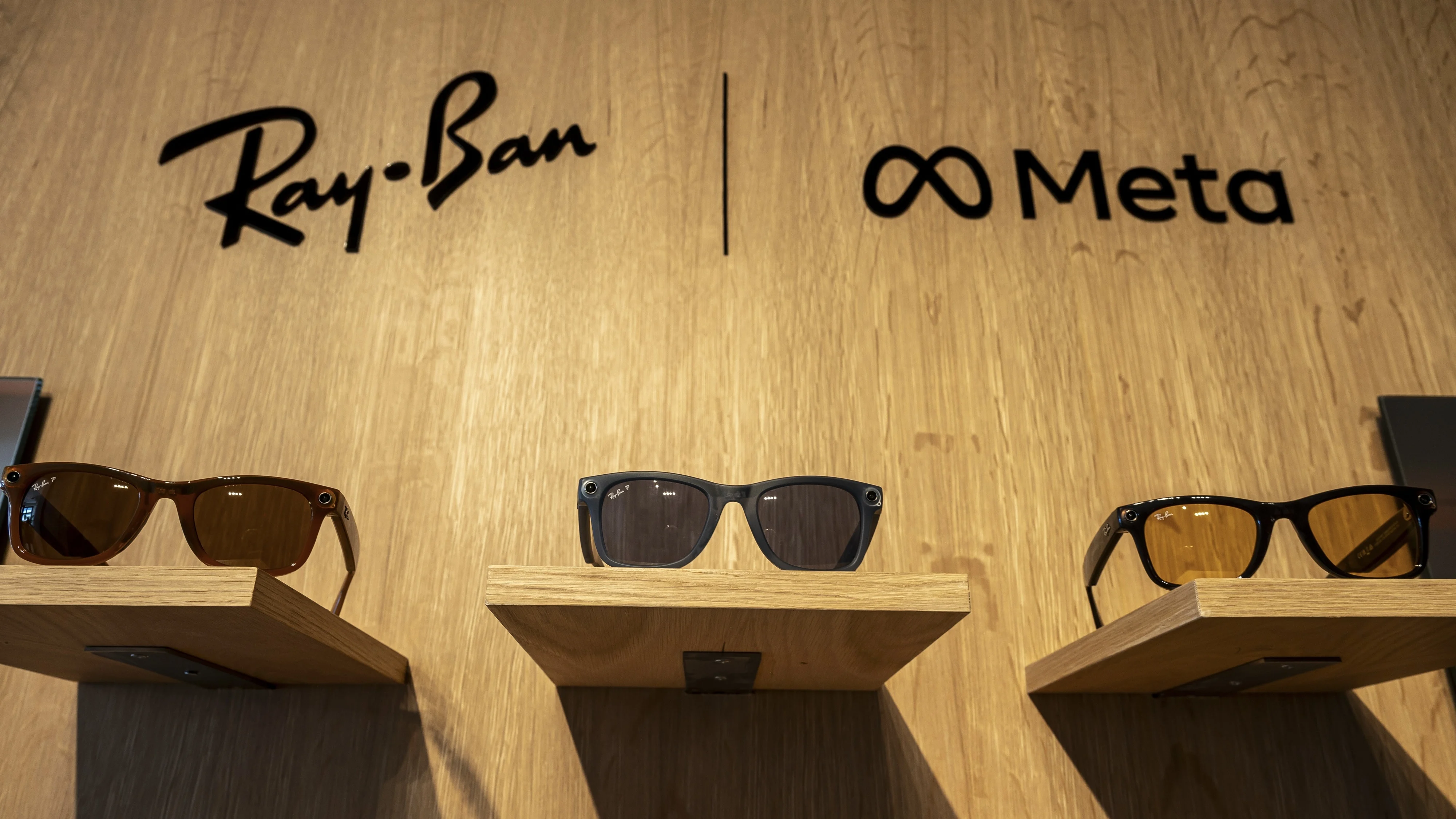
Meta Platforms Inc. is introducing a $20 monthly subscription for its Ray-Ban Meta smart glasses' "Conversation Focus" feature, a strategic pivot that signals an aggressive push into recurring revenue streams for hardware capabilities but risks alienating users who rely on the accessibility tool. The decision embeds a core auditory enhancement, designed to clarify conversations in noisy environments, into the broader Meta One Premium package, potentially recalibrating consumer expectations for smart device functionality and Meta's monetization playbook. The "Conversation Focus" feature leverages the smart glasses' integrated microphones and speakers to amplify the voice of a person directly in front of the wearer, effectively filtering out ambient noise and competing conversations. This capability, which has been progressively rolling out since its announcement in 2025, now faces significant restrictions under the latest software update, Version 26. Users without a Meta One Premium subscription are limited to three hours of "Conversation Focus" use per month, equating to approximately six minutes daily, a constraint that may render the feature impractical for many. To unlock more extensive use, wearers must subscribe to Meta One Premium at $20 per month, which extends the usage to 15 hours per month, or about 30 minutes daily. This tiered access positions a functional accessibility tool behind a paywall, a notable departure given that the feature's operation appears to rely on the smart glasses' inherent hardware and microphone array rather than Meta's "advanced AI features," which the Meta One Premium package is ostensibly designed to support.
What It Means
This move by Meta reflects a broader industry trend towards monetizing software features on hardware, but it carries particular implications for a company heavily invested in the nascent smart glasses market and its metaverse ambitions. The immediate financial implication is a direct, recurring revenue stream from a segment of its Ray-Ban Meta user base, diversifying Meta's income beyond its traditional advertising core and nascent hardware sales. This strategy mirrors efforts by other tech giants to build subscription ecosystems around their devices, aiming for greater customer lifetime value. However, the decision to charge for an accessibility-oriented feature could generate significant user backlash, particularly from advocates for inclusive technology. Positioning "Conversation Focus" as a premium add-on, despite its reliance on existing hardware, could be perceived as extracting rent from a utility rather than offering a value-added service. This perception could dampen adoption rates for Meta's smart glasses among a demographic that could significantly benefit from such features, undermining the company's efforts to establish these devices as mainstream interfaces for its digital future. The company's assertion that "no subscription is required to use AI glasses" and that all have "free monthly usage" for certain features may ring hollow for those specifically seeking enhanced auditory clarity.
$20 Per Month
The cost of Meta One Premium, which unlocks 15 hours of "Conversation Focus" per month on Ray-Ban Meta smart glasses. Free users are limited to just three hours monthly.
The competitive landscape further complicates Meta's strategy. Rivals like Apple Inc. offer similar auditory enhancement features, such as "Live Listen" on AirPods Pro, as part of their standard software suite, requiring only an iPhone for integration. This stark contrast could highlight Meta's monetization approach as comparatively restrictive, potentially driving users towards ecosystems where accessibility tools are bundled rather than unbundled and charged separately. The long-term success of smart glasses hinges on broad user adoption and perceived value, and aggressive monetization of core features may inadvertently hinder these critical objectives.
Background
Meta's journey into smart glasses began with the first generation Ray-Ban Stories in 2021, a collaboration with Luxottica Group that aimed to blend fashion with nascent augmented reality capabilities. The second-generation Ray-Ban Meta smart glasses, launched in late 2023, represented a significant upgrade, incorporating improved cameras, speakers, and microphones, alongside more sophisticated onboard processing for features like Meta AI (now Muse Spark AI). These devices are a crucial component of Chief Executive Officer Mark Zuckerberg's multi-billion-dollar investment in the metaverse, envisioned as an immersive digital world where physical and virtual realities converge, with smart glasses serving as primary interaction portals. The "Conversation Focus" feature was introduced as part of Meta's broader initiative to enhance the utility and accessibility of its smart glasses. It was initially lauded as a thoughtful application of wearable technology, offering a practical solution for common auditory challenges without requiring specialized medical devices. Its gradual rollout across markets since 2025 underscored Meta's commitment to refining the user experience. This feature, alongside other capabilities like real-time translation and hands-free voice commands, positions the Ray-Ban Meta glasses not just as a camera for capturing moments, but as an assistive device for navigating the physical world more effectively. The Version 26 software update also introduces a suite of other enhancements, including the next-generation Muse Spark AI, Dynamic Photo burst mode, Instagram Instants and WhatsApp voice chat support, and expanded language capabilities with full Japanese and Korean support, plus 14 new translation languages.
The Bear Case
Critics argue that Meta's decision to gate an accessibility feature behind a subscription could undermine its broader strategic goals and erode user trust. The perceived disconnect between the feature's reliance on existing hardware and its inclusion in a package for "advanced AI features" raises questions about the transparency of Meta's monetization strategy. Industry analysts suggest that while Meta needs to find diverse revenue streams to justify its massive metaverse investments, segmenting features that enhance basic functionality, especially those with accessibility implications, could prove counterproductive. The inability for unused monthly minutes to stack up further underscores a restrictive approach, potentially frustrating users who might only need the feature intermittently. This strategy could be particularly problematic for Meta as it seeks to differentiate its smart glasses in an increasingly competitive market. With other players exploring various form factors, Meta needs to cultivate a loyal user base. Charging for a feature that helps people navigate daily interactions could be viewed as a short-sighted revenue grab, potentially damaging the brand reputation for a product line that is still seeking widespread consumer adoption. The ethical considerations surrounding the monetization of tools designed to aid individuals with disabilities or situational hearing challenges remain a significant point of contention among consumer advocates and tech ethicists alike. The coming months will be critical for observing user response to Meta's new subscription model for "Conversation Focus." Key metrics to watch include the adoption rate of Meta One Premium subscriptions among Ray-Ban Meta owners, particularly those who frequently use or need the auditory enhancement feature. Any significant shift in user sentiment, as measured by social media discourse or app store reviews, could prompt Meta to re-evaluate its pricing strategy. Furthermore, the actions of competitors in bundling or unbundling similar accessibility features will provide crucial context for how the smart glasses market evolves in response to these monetization tactics.
Frequently asked questions
How much does Meta One Premium cost for Ray-Ban Meta's Conversation Focus?
Meta One Premium costs $20 per month. This subscription unlocks 15 hours of Conversation Focus use on Ray-Ban Meta smart glasses, significantly increasing the daily usage limit for users.
What is Conversation Focus on Ray-Ban Meta smart glasses?
Conversation Focus is an accessibility feature for Ray-Ban Meta smart glasses. It uses the device's microphones and speakers to boost voices directly in front of the user, helping to clarify conversations in noisy environments.
Is Conversation Focus free on Ray-Ban Meta?
No, Conversation Focus is no longer entirely free. Non-subscribers are limited to three hours of use per month, while extended use requires a $20/month Meta One Premium subscription.
What other features did Meta add to Ray-Ban Meta?
Alongside the Conversation Focus changes, Meta introduced Muse Spark AI, Dynamic Photo burst mode, Instagram Instants, WhatsApp voice chats, a battery saver mode, and expanded language support for Japanese, Korean, and 14 other translation languages.
Does Conversation Focus use Meta's AI?
According to the article, Conversation Focus does not seem to rely on Meta's AI. Instead, it operates using the smart glasses' built-in hardware and microphones to amplify sound.
Can Apple AirPods Pro offer similar hearing assistance?
Yes, the Apple AirPods Pro 3 includes a similar feature designed to boost hearing in specific situations. This functionality is available to users who own an iPhone.