SoftBank founder argues AI supremacy will be won on Earth, not in space, clashing with Elon Musk's ambitious orbital plans.
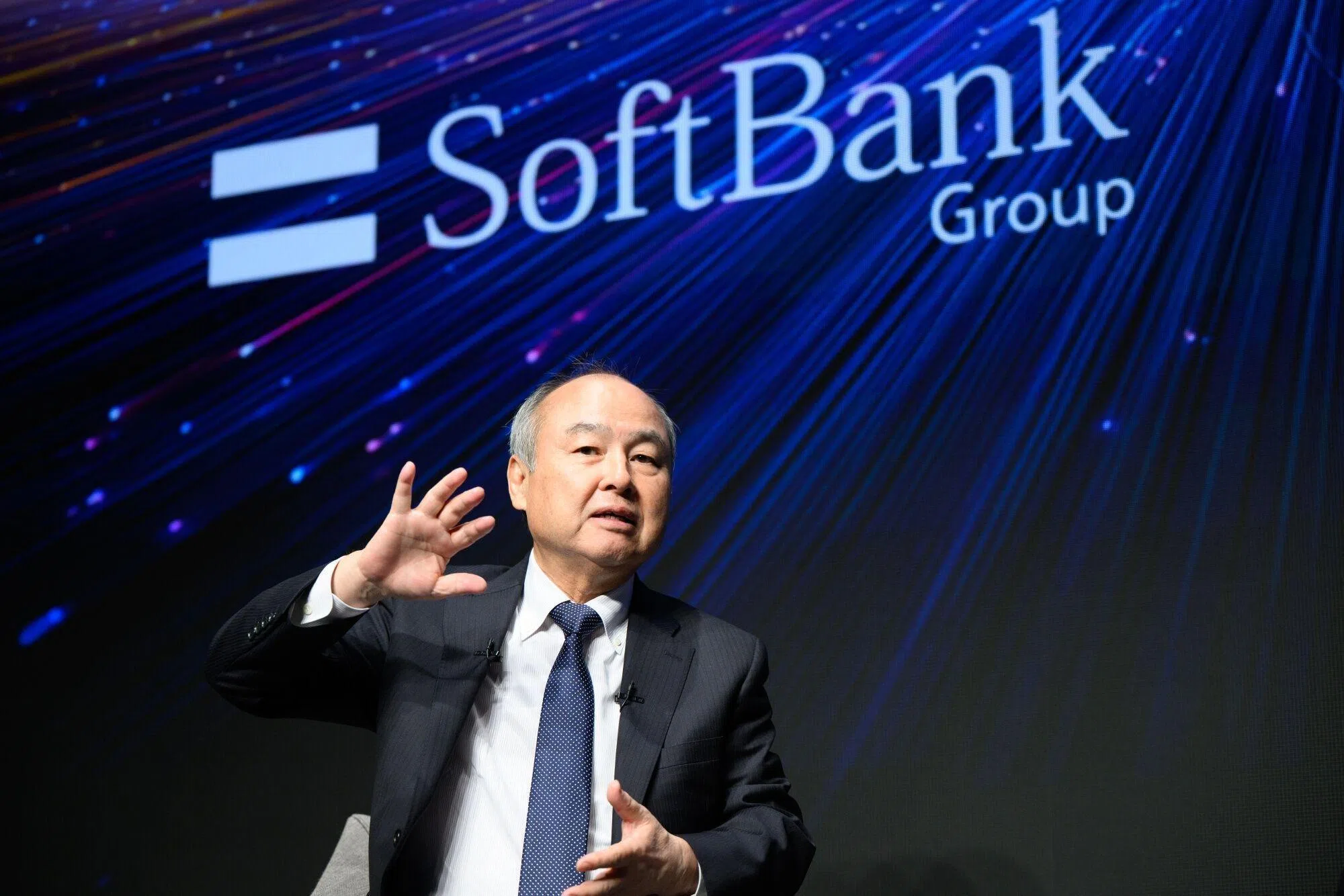
In a surprising twist that pits two of tech's most ambitious titans against each other, SoftBank founder Masayoshi Son has firmly dismissed Elon Musk's vision for orbital data centers, arguing the real battle for artificial intelligence supremacy will be fought and won right here on Earth. It's a fundamental disagreement over where the infrastructure of our AI future will reside, and it has significant implications for how billions of dollars are invested and where computing power will be concentrated in the coming years.
Here's what happened: Son, a prolific investor known for his audacious bets, made his stance clear during a recent shareholder meeting for SoftBank's mobile unit. He contended that the primary perceived benefit of building data centers in space—slashing electricity costs—is a red herring. Compared to the colossal expense of cutting-edge hardware like AI chips, power consumption is a relatively minor fraction of total operating costs, making the space-based proposition economically unviable in the immediate future.
Son didn't just stop at electricity bills. He pointed to a host of other practical drawbacks that he believes undermine the entire concept. Transporting everything from cooling systems to server racks into orbit would incur exorbitant fees, while maintaining complex machinery in the harsh vacuum of space presents unprecedented engineering and financial challenges. Moreover, the communication delays inherent in beaming data to and from orbital facilities could prove a significant handicap for real-time AI applications, where milliseconds matter.
While acknowledging Musk as a "remarkable agent of change" — a nod to the SpaceX and Tesla CEO's history of disrupting industries — Son emphasized SoftBank's unwavering focus on building "formidable" data center capacity on our home planet. His philosophy is clear: "He who strikes first wins," suggesting that the immediate, tangible deployment of robust infrastructure will determine the victor in the rapidly accelerating AI race, not speculative long-term projects in orbit.
This isn't just talk. SoftBank has already committed an estimated $65 billion to OpenAI, the company behind ChatGPT, signaling its deep conviction in the current trajectory of AI development. Beyond that, Son has pledged hundreds of billions of dollars more towards establishing a global network of advanced data centers and related infrastructure. This massive investment underscores a strategic choice to anchor AI compute on Earth, even as rivals like SpaceX and Jeff Bezos' Blue Origin explore extraterrestrial alternatives, citing growing energy and space constraints on the planet.
Why Terrestrial AI is the Immediate Battleground
The core of Son's argument rests on a pragmatic understanding of the current AI landscape and the sheer scale of the computational demands. Training and running today's advanced AI models, particularly large language models like OpenAI's GPT series, require unprecedented amounts of processing power. These operations can consume significant amounts of electricity, putting immense strain on existing energy grids and demanding vast tracts of land for new data center campuses. This isn't a problem for a decade from now; it's a pressing issue impacting energy markets and real estate development today.
The investment frenzy in AI infrastructure on Earth is staggering. Major tech companies are pouring billions into expanding their data center footprints, often in regions with access to abundant, affordable power, including renewable energy sources. This intense competition for physical space, power, and cooling capacity demonstrates a collective belief among many tech giants that the immediate future of AI hinges on robust, accessible terrestrial infrastructure. Son's strategy aligns with this immediate, high-stakes battle, prioritizing speed of deployment and operational efficiency over the theoretical benefits of space.
Son's "he who strikes first wins" mantra highlights a crucial aspect of the AI arms race: time to market. The capabilities of AI are evolving at a breakneck pace, with new models and applications emerging constantly. Waiting for the technological maturity and logistical feasibility of space-based data centers could mean missing critical windows of opportunity. For Son, the next few years are paramount, and that means doubling down on solutions that can be implemented and scaled now, not in some distant, albeit exciting, future.
The Practical Realities and What Happens Next
Beyond the economic calculus, the practical realities of operating AI infrastructure in space present formidable, immediate hurdles. Imagine the complexity of launching numerous specialized AI accelerators and their accompanying cooling systems into orbit. Each component, from a single chip to an entire server rack, needs to withstand launch vibrations, extreme temperatures, and radiation. Repairing or upgrading these systems would require costly and time-consuming missions, contrasting sharply with the relative ease of maintenance at a ground-based facility. Furthermore, the latency involved in transmitting vast amounts of data to and from orbital hubs, even at the speed of light, could be a critical bottleneck for applications requiring instantaneous responses.
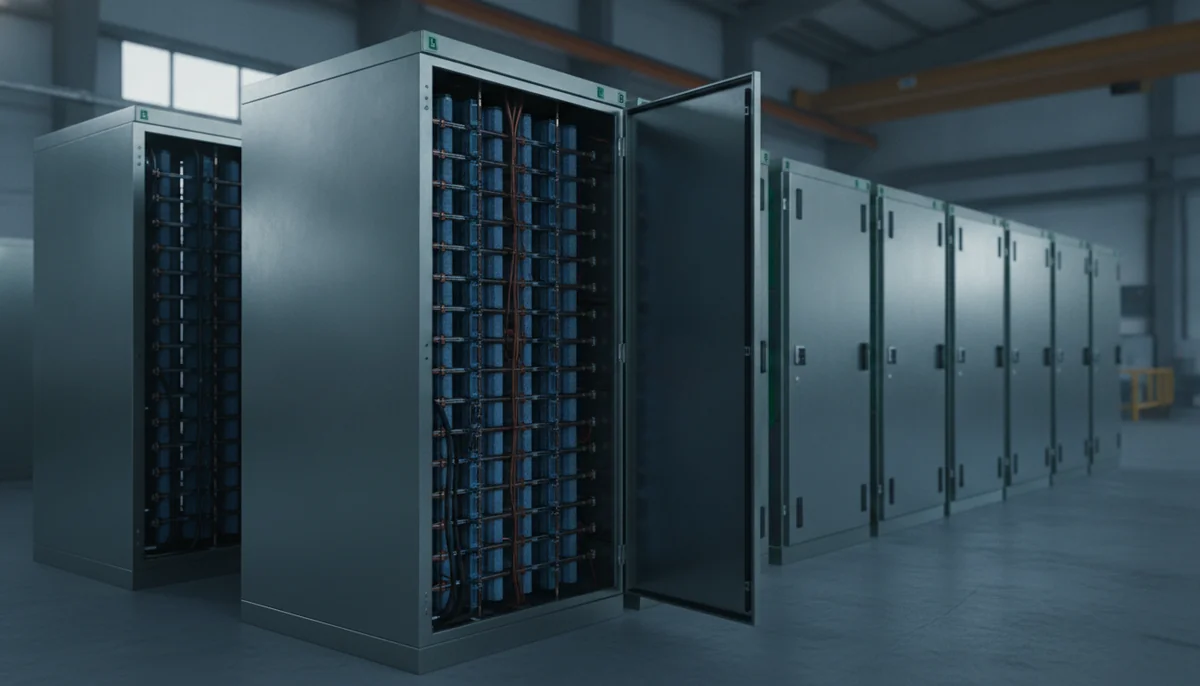
SoftBank's practical approach is further evidenced by its telecom unit's aggressive moves into the "neocloud" — AI-focused cloud infrastructure — and data center storage battery markets in the U.S. These initiatives represent tangible investments in enhancing terrestrial computing capabilities, specifically designed to address the unique demands of AI workloads. The Japanese neocloud business, for instance, is slated for launch this year, demonstrating a commitment to rapid deployment and direct competition within the established cloud computing ecosystem, rather than venturing into untested orbital territories.
Son acknowledges that the AI competition is intensifying, but he remains optimistic about the sector's vast potential. He believes there's more than enough room for substantial growth for multiple key players, including OpenAI, Anthropic PBC, and Google. In his view, AI is still in its nascent stages, with scope for "ten-fold, a hundred-fold" expansion, suggesting that the fundamental infrastructure debate is far from settled, but the immediate needs are clear.
The clash between Masayoshi Son's Earth-bound pragmatism and Elon Musk's celestial ambitions represents a fascinating divergence in visions for AI's future. While the allure of space-based solutions for limitless energy and physical expansion remains a tantalizing long-term prospect, Son's resolute stance firmly anchors the immediate AI race on the ground. His strategy prioritizes speed, cost-efficiency, and pragmatic deployment, betting that the immediate future of AI will be shaped by those who can build and scale the most powerful computing infrastructure where it is most accessible and cost-effective today. The coming years will undoubtedly reveal which of these technological titans has correctly gauged the shortest path to AI supremacy.
Frequently asked questions
Why does Masayoshi Son dismiss orbital data centers?
Masayoshi Son dismisses the idea of orbital data centers because he believes electricity costs are a small fraction of overall data center expenses compared to hardware. He also highlights higher transport fees, maintenance, and communication delays as significant drawbacks for space-based options.
What is Masayoshi Son's view on the AI race?
Son firmly believes the AI race will be won by computing power on Earth, emphasizing the importance of striking first and focusing on the next few years as far more critical than long-term space plans.
Has SoftBank invested in AI?
Yes, SoftBank has committed approximately $65 billion to OpenAI and has pledged to direct hundreds of billions of dollars more into building formidable Earth-based data centers and related AI infrastructure globally.
What is Elon Musk's idea for data centers?
Elon Musk, through his company SpaceX, champions the concept of building and launching data centers into orbit to circumvent energy and physical space limitations on Earth.
What is SoftBank's telecom unit doing in AI?
SoftBank's telecom unit is preparing forays into the 'neocloud,' which is AI-focused cloud infrastructure, and also the data center storage battery markets in the U.S. A Japanese neocloud business is scheduled for launch this year.
Are other companies pursuing orbital data centers?
Yes, in addition to SpaceX, Jeff Bezos' Blue Origin has also announced plans to develop and launch orbital data centers. This initiative aims to address the growing demand for computing power and overcome terrestrial constraints.