Leaks suggest Apple's iPhone 19 Pro (2027) will ditch bezels, revolutionizing interaction & signaling a major strategic shift.
Get ready to rethink what an iPhone looks like. Fresh leaks suggest that Apple's highly anticipated iPhone 19 Pro models, expected to debut in 2027, are set to undergo a radical redesign, ditching traditional bezels and potentially revolutionizing how we interact with our most personal device. This isn't just about a prettier face; it signals a significant strategic move for the tech giant in an increasingly competitive market.
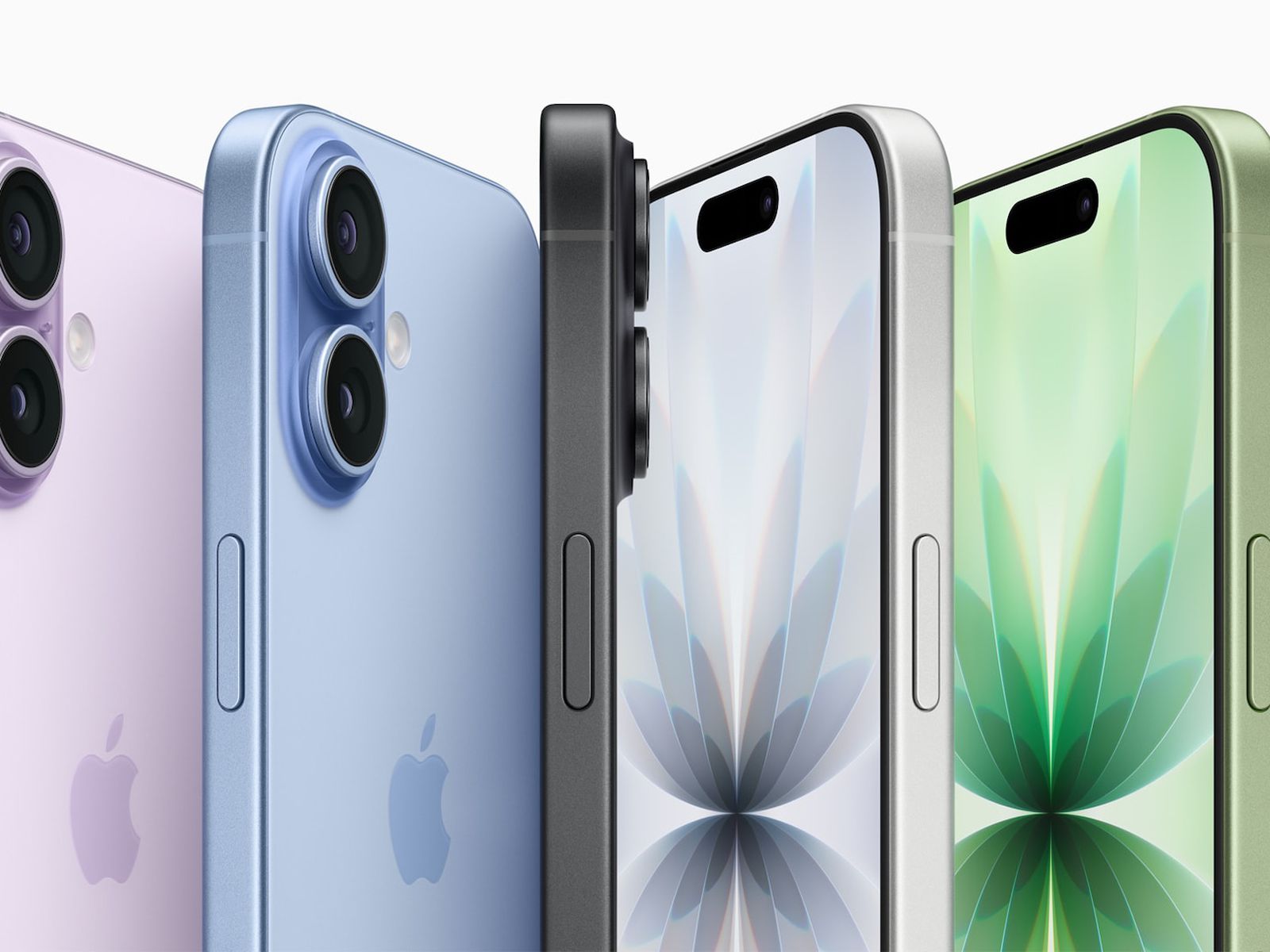
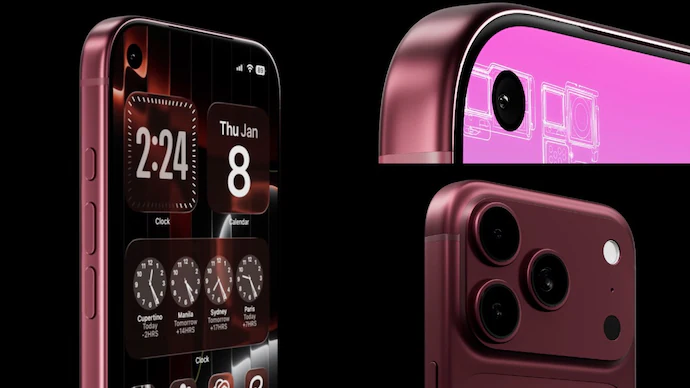
Here's what happened: Reputable supply chain leaker Digital Chat Station recently corroborated an earlier report from analyst Jeff Pu, affirming that Apple’s premium iPhone Pro lineup for 2027 will feature a quad-curved display. This means the screen will gently curve on all four sides, aiming for a truly bezel-free, immersive appearance, coupled with the long-rumored under-display Face ID technology, which would finally eliminate the visible notch or even a hole-punch cutout.
For years, the pursuit of an "all-screen" smartphone has been a holy grail for manufacturers, and Apple has been no stranger to this quest. The original iPhone, launched by Steve Jobs in 2007, was a design marvel for its time, emphasizing a seamless user experience through its iconic display. Now, twenty years later, as the iPhone approaches its two-decade milestone in 2027, the company appears ready to deliver another groundbreaking visual shift.
Initial speculation had centered around a standalone "iPhone 20" model for this anniversary redesign. However, both Pu's and Digital Chat Station's reports now strongly indicate that these cutting-edge features will be reserved for the flagship iPhone 19 Pro and Pro Max models, aligning with earlier insights from Bloomberg's Mark Gurman. This strategic choice underscores Apple's consistent approach to differentiating its premium offerings and driving consumers towards its higher-margin devices.
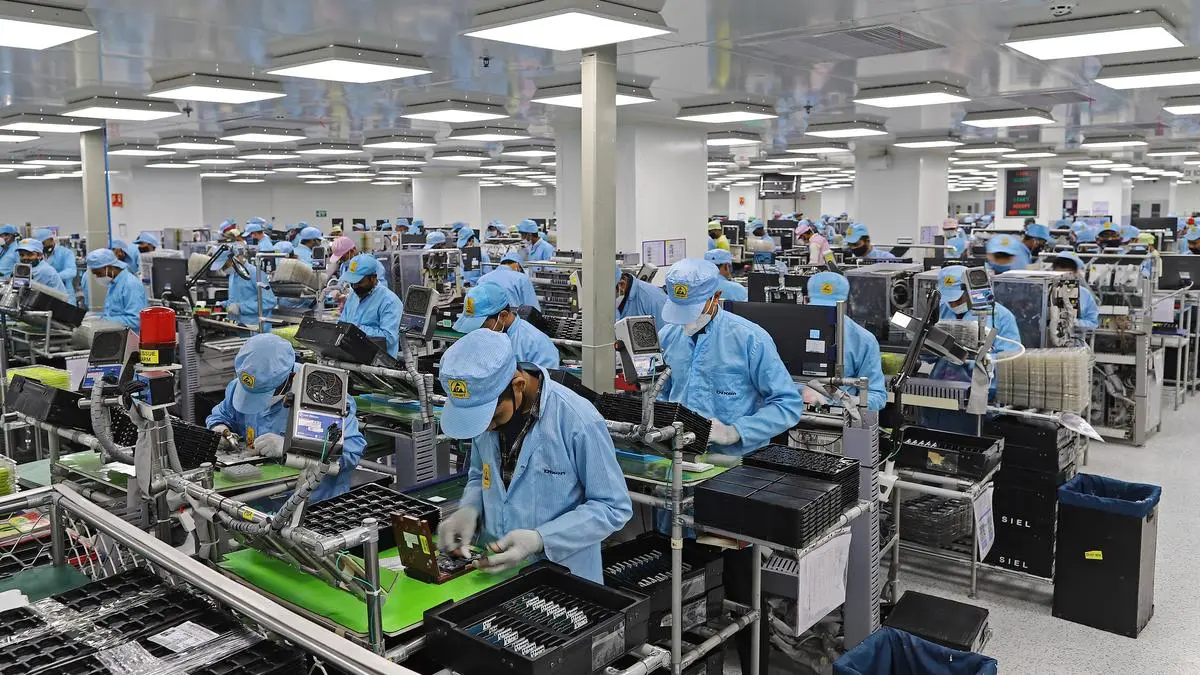
The fact that this new design is reportedly undergoing "evaluation testing" in the mass production line is a crucial detail for investors and analysts alike. It suggests that these aren't just conceptual drawings but advanced prototypes, nearing the critical stages of manufacturing readiness. This level of development implies a substantial investment in research, design, and supply chain readiness, highlighting Apple's commitment to pushing the boundaries of smartphone aesthetics and functionality.
What this means for users and investors
For the average user, a quad-curved, bezel-free display with invisible Face ID promises a truly futuristic experience. Imagine holding a device where the screen melts seamlessly into the edges, offering an unparalleled canvas for content consumption, gaming, and productivity. This move could significantly enhance the visual appeal and immersive quality of the iPhone, making it feel less like a gadget and more like a fluid window into the digital world. The elimination of the notch or hole-punch, a design element that has divided opinions for years, would be a major win for aesthetic purists, finally delivering on the promise of an unobstructed display.
From an investor's perspective, this radical redesign is more than just eye candy; it's a vital engine for growth in a mature smartphone market. Apple's ability to drive upgrade cycles often hinges on compelling innovations that justify a premium price point. A genuinely new design, particularly one that offers a tangible visual and interactive difference, could spur significant demand, bolstering iPhone sales and maintaining Apple's strong market share against rivals like Samsung and Google. The company's stock performance often correlates with perceived innovation, and a successful launch of such a visually striking device could provide a substantial boost. Furthermore, the complexity of these features suggests higher manufacturing costs, but also potentially higher average selling prices (ASPs), contributing positively to Apple's bottom line.
Analysts are already scrutinizing the potential supply chain implications. Implementing under-display Face ID, for instance, requires sophisticated sensor technology and precision manufacturing that few companies have mastered at scale. Similarly, quad-curved displays present challenges in terms of yield rates and durability. Apple's ability to ramp up production of such advanced components will be key to meeting anticipated demand. This also means increased reliance on specialized suppliers, creating potential bottlenecks but also opportunities for those partners who can deliver.
The competition and what happens next
Apple's move towards a truly bezel-free, under-display sensor design puts pressure on competitors in the premium smartphone segment. While Android manufacturers have experimented with curved displays and under-display cameras, Apple's implementation of under-display Face ID – a more complex and secure biometric system than most in-display fingerprint readers – could set a new benchmark. This innovation allows Apple to differentiate its flagship products in a crowded market, reclaiming some of the "innovation leader" narrative that some argue has been challenged by foldable phones and other form factors from rivals.
Looking ahead to the 2027 lineup, analysts suggest that the redesigned iPhone 19 Pro models might be joined by other significant introductions, including a second-generation iPhone Ultra and possibly a new iPhone Air. The "Ultra" branding typically signifies the pinnacle of Apple's offerings, pushing boundaries in performance and features beyond the Pro models, while an "Air" model could potentially represent a thinner, lighter, or more streamlined option. These potential additions underscore Apple's strategy of segmenting its lineup to cater to diverse consumer needs and price points, while always maintaining a halo of innovation at the top.
Ultimately, the reported radical redesign for next year's iPhone Pro models is more than just an aesthetic upgrade. It represents Apple's continued commitment to pushing the boundaries of smartphone design and user experience, a core tenet established by its founder. As the company approaches its 20th anniversary, this bold step aims to redefine what an iPhone can be, setting a new standard for the industry and ensuring its position at the forefront of mobile technology for years to come. For consumers, it promises a more immersive and visually stunning device, while for investors, it signals a renewed focus on innovation to drive future growth in an evolving global market.
Frequently asked questions
When are the next radical iPhone Pro models expected to launch?
The article indicates that the 'iPhone 19 Pro models,' which are the subject of these radical redesign leaks, are expected to debut in 2027. This suggests a significant leap in design for devices launching in the coming years.
What is the main design change expected for the next iPhone Pro?
The primary design change involves ditching traditional bezels, leading to a potentially all-screen or nearly all-screen front display.
Who is the source of these iPhone design leaks?
The leaks are attributed to an unnamed 'leaker' as cited by 9to5Mac, a common source for Apple product rumors.
How will a bezel-less design change iPhone interaction?
A bezel-less design could revolutionize interaction by maximizing screen real estate, potentially integrating new gesture controls, and offering a more immersive user experience.
Is this redesign confirmed by Apple?
No, these are leaks and rumors; Apple has not officially confirmed any details about future iPhone designs.
What strategic move does this redesign signal for Apple?
It signals a significant strategic move for Apple in the tech industry, aiming to redefine smartphone aesthetics and user interaction to maintain its leadership.