These are the best Prime Day deals on MacBook Air, MacBook Pro, more (up to $430 off)
Amazon Prime Day has rolled around once again, bringing with it a torrent of deals across categories. But perhaps nothing quite catches the eye of a tech enthusiast or a budget-conscious shopper more than significant discounts on Apple products, especially MacBooks. For years, the conventional wisdom held that Apple devices simply didn't go on sale, or if they did, the savings were negligible. This year, however, Prime Day is challenging that notion head-on, offering consumers a rare window to snag premium MacBooks with savings that are anything but modest.
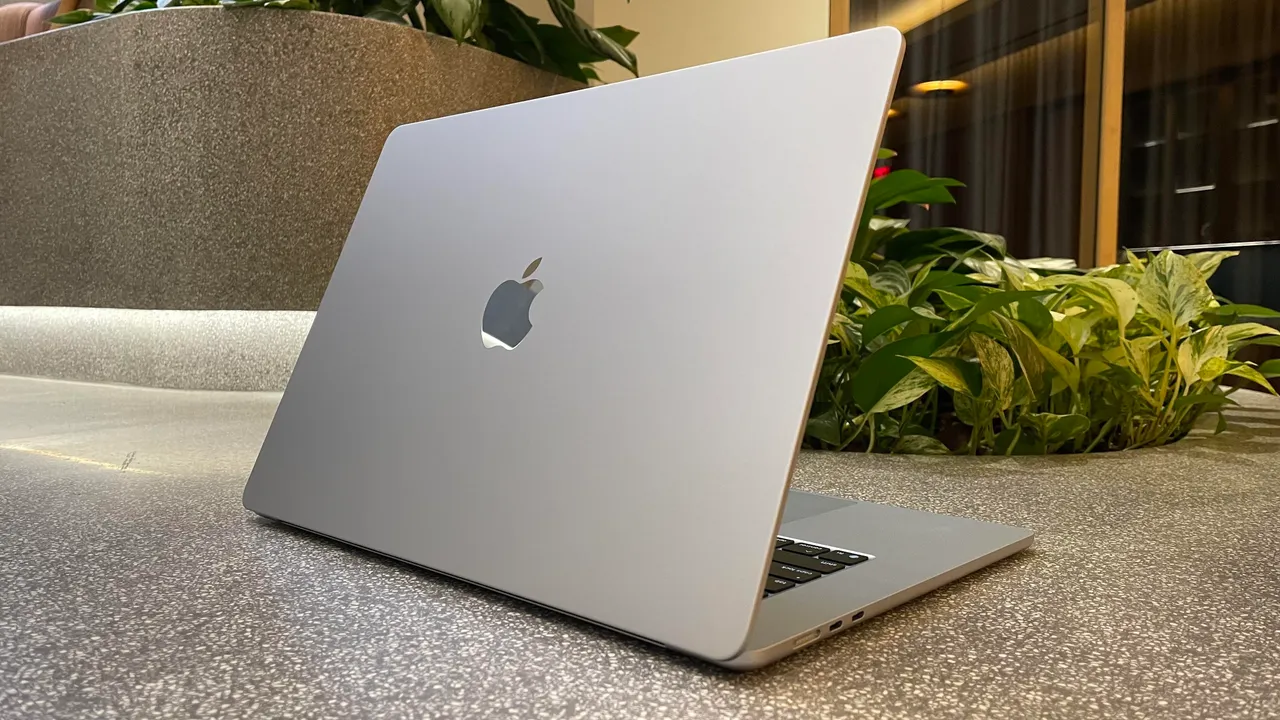
The headline here isn't just "MacBooks are on sale"; it's the depth of the discounts, reaching up to $430 off select models. This isn't pocket change when you're talking about devices that command a premium price point, often starting well north of $1,000. These are not obscure, last-generation devices either; many of the featured deals include recent iterations of the MacBook Air and MacBook Pro, powered by Apple's acclaimed M-series chips, making them compelling buys for a wide range of users.
For context, Apple's pricing strategy has long been about maintaining premium value, with official retail channels rarely deviating from MSRP. Major sales events like Prime Day, orchestrated by retailers like Amazon, represent one of the few avenues where these prices genuinely shift. It creates a temporary disruption in the market, allowing a broader segment of the population to consider an upgrade or a first-time purchase of an Apple laptop that might otherwise be out of reach. We're seeing models from the M1 MacBook Air, which remains a stellar everyday machine, all the way up to configurations of the M3 MacBook Pro, designed for demanding professional workloads.
The ubiquity of these devices, from college campuses to corporate boardrooms, speaks to their blend of design, performance, and ecosystem integration. Yet, that widespread appeal is often tempered by the investment required. That's why these Prime Day deals are particularly noteworthy. They essentially democratize access to some of the most sought-after personal computing hardware, albeit for a limited time, prompting many to finally make the leap or upgrade from an older machine.
Why these deals redefine the Apple strategy
The prevailing view among many consumers, often supported by anecdotal evidence and historical patterns, is that Apple products simply do not see significant price reductions. This belief stems from Apple's tight control over its distribution and pricing, aimed at preserving brand prestige and profit margins. However, major retail events like Prime Day have increasingly become a pivotal exception to this rule, showcasing how Apple, through its retail partners, is willing to participate in the broader consumer electronics discount cycle, albeit selectively.
This shift isn't just about selling more units; it has deeper market implications. By allowing substantial discounts, Apple can accelerate the adoption of its proprietary M-series chips, moving more users off Intel-based Macs and further cementing its control over the hardware-software ecosystem. The M-series chips, from the efficient M1 to the powerhouse M3 Max, have consistently outperformed their Intel predecessors in terms of raw speed, power efficiency, and integrated graphics. Making these machines more accessible through aggressive pricing during Prime Day not only helps clear inventory—especially for older M1 and M2 models—but also broadens the user base experiencing the superior performance of Apple Silicon.
Furthermore, these deals put considerable pressure on the Windows laptop market. When a MacBook Air with an M2 chip, known for its exceptional battery life and silent operation, can be had for hundreds less, it forces PC manufacturers to innovate further and compete not just on specifications but also on value proposition and user experience. This isn't just a fleeting sale; it's a statement about Apple's willingness to engage in a more direct pricing battle, using its partners to reach a wider audience without devaluing its brand in its own stores. It’s a strategic maneuver that balances exclusivity with market penetration, leveraging the hype of a major sales event to achieve both.
Beyond the Price Tag: Navigating the MacBook Lineup
While the "up to $430 off" figure is certainly eye-catching, navigating which MacBook deal is truly the "best" requires a bit more nuance than simply chasing the highest dollar discount. It's about understanding your specific needs and matching them to the capabilities of Apple's various M-series chips and chassis designs. For many, the M1 MacBook Air, despite being the oldest of the Apple Silicon lineup, still represents an incredible value, especially with Prime Day pricing. It’s a workhorse for everyday tasks like web browsing, document creation, email, and even light photo and video editing, all while boasting exceptional battery life and a fanless design for silent operation. If your needs don't extend to heavy-duty creative work or complex software development, an M1 Air at a significant discount is arguably one of the smartest buys of Prime Day.
Moving up the ladder, the M2 MacBook Air offers a refreshed design, a slightly more powerful chip, and improved webcam and display technologies. It hits a sweet spot for users who want a bit more future-proofing and a modern aesthetic without jumping to the Pro line. The discounts here might be slightly less aggressive percentage-wise than on the M1, but the overall savings can still be substantial, making it a strong contender for students, hybrid workers, and anyone looking for a highly portable and capable machine. The M3 MacBook Air, the newest kid on the block, offers incremental performance gains and enhanced graphics capabilities, often seeing more modest discounts but still providing an opportunity to get the very latest tech at a reduced price.
For professionals, the MacBook Pro line, particularly the 14-inch and 16-inch models with M3, M3 Pro, or M3 Max chips, is where the serious power resides. These machines are built for sustained performance, featuring active cooling systems, more robust port selections, and stunning Liquid Retina XDR displays. Prime Day deals on these models, especially the M2 Pro or M2 Max configurations that might be seeing deeper cuts as Apple pushes M3, are particularly significant. They represent a chance for video editors, software developers, 3D artists, and other power users to invest in a machine that will handle their demanding workflows for years to come, with savings that can truly offset a portion of the premium cost.
My read is that these sales events are not just about clearing older stock; they're a carefully orchestrated part of Apple's broader market strategy. They allow the company to maintain its premium brand image while also making its technology more accessible, thus expanding its ecosystem. It's a balancing act that leverages the consumer frenzy of Prime Day to achieve both sales volume and strategic positioning in the competitive laptop market.
Ultimately, the best Prime Day MacBook deal isn't necessarily the one with the biggest percentage off, but the one that aligns best with your actual usage requirements and budget. A deeply discounted M1 Air might be a better value for a casual user than a slightly less discounted M3 Pro that offers capabilities they will never fully utilize. It's about smart shopping, understanding the incremental differences between the chips and models, and seizing the moment when these rare discounts appear.
Looking ahead, these recurring Prime Day events, alongside other major retail holidays, suggest that deep discounts on Apple products might be becoming a more regular, albeit still limited, occurrence. This trend could reshape consumer expectations, leading more buyers to wait for these specific windows before making their Apple purchases. For Apple, it’s a delicate dance: maintain brand prestige while strategically leveraging retail partners to drive volume and technology adoption. The ongoing competition in the premium laptop space, particularly with the rise of AI-focused Windows PCs, will likely ensure that these strategic pricing maneuvers remain a key part of the playbook for years to come.